Wire And Cable Shredder for Efficient Cable Recycling and Material Separation
1. Introduction: Making Wire and Cable Recycling More Practical
When we talk about wire and cable recycling, the first thing to understand is that a discarded cable is not simply a piece of waste. Inside one cable, there may be copper or aluminum conductors, while the outside may contain PVC, polyethylene, rubber, or other insulating materials. Depending on the cable structure, additional layers, shielding, and reinforcing materials may also be present. These materials have different properties and cannot always be processed in the same way.
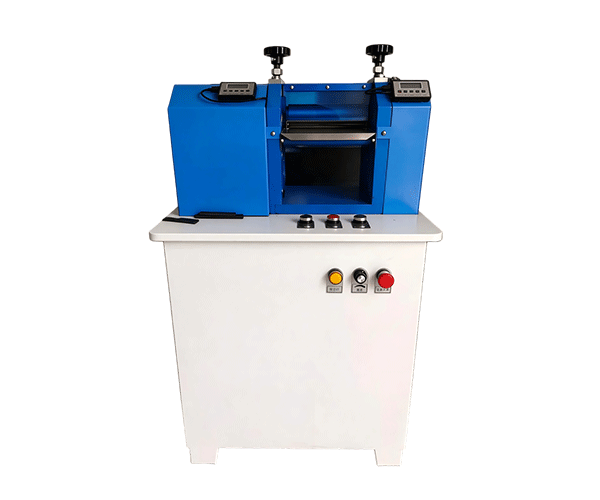
This is where a Wire And Cable Shredder for Efficient Cable Recycling and Material Separation becomes relevant. A wire and cable shredder reduces suitable cable waste into smaller pieces, making it easier to handle and prepare for downstream recycling operations. Shredding is an important processing step, but it is not the entire recycling process. To recover useful materials effectively, the equipment must be matched with the cable type, the desired output, and the separation methods used after shredding.
At Guangzhou Chuangge Automation Equipment Co., Ltd., we focus on customized testing equipment and equipment solutions that need to meet clearly defined technical requirements. Our work covers a range of industrial testing applications, including wires and cables, plastics, textiles, construction materials, electrical accessories, electronic products, and household appliances. This background encourages us to approach equipment projects with a practical mindset: understand the material, define the required result, confirm the operating conditions, and then determine the appropriate configuration.
For a wire and cable shredding project, we believe the same approach matters. A machine should not be selected based only on its appearance or a headline capacity figure. Cable diameter, conductor material, insulation structure, feeding method, operating hours, and downstream separation requirements all affect the final result. A suitable solution begins with these details rather than assumptions.
Our goal is to help customers evaluate the requirements behind their cable recycling process and establish a clear technical basis for equipment selection. Depending on the project scope and confirmed product configuration, the work may involve discussing material preparation, shredding requirements, control arrangements, safety provisions, inspection items, and the interface with downstream equipment. The final scope, specifications, and supply arrangements should always be confirmed before an order is placed.
If you are searching for an industrial wire and cable shredder, cable recycling shredder, or equipment for preparing scrap cable for material separation, the following sections explain the main process considerations, common selection points, and questions worth asking before investing in equipment.
2. How a Wire and Cable Shredder Works
2.1 Preparing the cable before shredding
The quality of the recycling process starts before the material reaches the cutting chamber. Incoming cable should be identified and checked according to the requirements of the recycling line. Some facilities receive relatively uniform production offcuts, while others handle mixed scrap collected from construction sites, maintenance work, electrical installations, or cable manufacturing operations.
These two situations can require very different preparation methods. Clean, sorted production offcuts may be easier to process than mixed cables with different diameters, insulation materials, connectors, or attached components. Long cable lengths may also need to be cut into manageable sections before feeding, depending on the machine design and loading method.
Before operation, the user should establish which materials the equipment is intended to accept. Cables containing unexpected metal parts, contaminated materials, or components outside the agreed feed specification should not automatically be introduced into the machine. A clear incoming-material procedure helps reduce interruptions and makes the process more predictable.
2.2 Feeding material into the cutting chamber
After preparation, cable material is introduced through the designed feeding arrangement. Depending on the equipment configuration, feeding may be manual, assisted, or integrated with a larger production line. The appropriate arrangement depends on the dimensions of the cable, the amount of material processed, available floor space, and the way operators handle incoming scrap.
Inside the cutting chamber, the shredding mechanism applies mechanical force to reduce the material into smaller pieces. Cutting elements, rotor design, operating speed, and chamber geometry influence how the cable behaves during processing. The exact mechanism varies between machine designs, so the suitability of a particular configuration must be evaluated against the intended cable types.
It is important not to assume that every shredder produces the same particle size or handles every cable equally well. A machine designed for bulky mixed material may not deliver the output needed by a recycling line that requires relatively consistent cable fragments. Likewise, a compact unit intended for a limited feed range may not suit a high-volume operation with large-diameter cables.
2.3 Shredding and size reduction
Size reduction makes cable material easier to transport, store, and prepare for further processing. Smaller pieces can also help expose the different material layers, depending on cable construction and the selected shredding method. However, the output size is only one part of the result. The condition of the copper or aluminum, the amount of attached insulation, and the consistency of the processed material also matter.
For example, reducing a cable to smaller pieces does not automatically separate the conductor from the insulation. Some cable structures may require additional granulation, screening, air separation, density separation, or another suitable process. The required downstream steps depend on the material mixture and the recovery target.
When discussing a wire and cable shredder, we therefore recommend defining the intended output in measurable terms. If the project requires a specific particle-size range, the buyer and supplier should agree on the measurement method, the acceptable range, and the test material used during verification. If the priority is preparing cable for a later separation stage, the acceptance criteria may instead focus on throughput, feed stability, and compatibility with the next machine.
2.4 Transferring material to downstream separation
Once shredding is complete, the material can be collected or transferred to the next processing stage. Depending on the line design, this may involve a discharge conveyor, collection bin, screening unit, granulator, or separation equipment. These components should be selected as a coordinated system rather than treated as unrelated machines.
In copper cable recycling, the objective is often to recover valuable conductive material while separating it from plastic or rubber insulation. Aluminum cable recycling follows a similar general principle, although the material properties and operating requirements may differ. Mixed-metal cables, shielded cables, and cables with complex internal structures may require additional sorting or processing steps.
Our recommendation is straightforward: define the complete recycling route before choosing the shredder. If the downstream separator needs a particular feed size or material condition, the shredding stage should be evaluated against that requirement. This avoids a common purchasing mistake—selecting a machine that performs its individual task but does not fit the overall production line.
2.5 A typical process flow
The following table describes a general cable recycling workflow. It is a process reference, not a guaranteed configuration for every machine or project.
| Process stage | Main purpose | What the operator should check |
|---|
| Incoming inspection | Identify the cable types and condition | Conductor material, insulation, dimensions, contamination, and attached components |
| Pre-processing | Prepare material for controlled feeding | Cutting requirements, sorting rules, and feed dimensions |
| Shredding | Reduce cable material into smaller pieces | Feed stability, output condition, abnormal noise, and machine loading |
| Screening or further size reduction | Adjust material size where required | Target particle range and compatibility with downstream equipment |
| Material separation | Separate recoverable conductors from insulation and other materials | Separation efficiency, residual contamination, and recovered material quality |
| Collection and storage | Keep recovered materials organized for reuse or sale | Material identification, storage conditions, and handling procedures |
Source for the general process reference: Furukawa Electric's cable recycling overview, which describes cable recycling processes including stripping, cutting, crushing, and separation by material. The exact process used at a particular facility will depend on its feedstock and recovery objectives.
3. Main Features and Technical Considerations
3.1 Matching the shredder to cable types
One of the most important considerations is the material that the machine will actually process. A cable recycling facility may handle copper cables, aluminum cables, insulated conductors, mixed wire scrap, or different cable constructions within the same working day. These materials do not necessarily behave in the same way under mechanical cutting.
We recommend preparing a representative list of the cables to be processed before requesting a quotation. Include the conductor material, approximate diameter range, insulation type, cable length, and whether connectors or other attachments remain on the incoming material. Photographs and physical samples can be useful when the material structure is difficult to describe in words.
This information helps the equipment provider evaluate whether the proposed shredder is suitable for the intended feed. It also gives both sides a clear reference when discussing exclusions. For example, a project may be designed for insulated copper cable but not for large steel-armored cable unless the equipment and process are specifically configured for that purpose.
3.2 Cutting mechanism and output requirements
The cutting mechanism affects how material is reduced, how the machine responds to different feed conditions, and what maintenance may be required. The appropriate blade or cutter arrangement should be selected according to the intended cable range, the expected operating pattern, and the desired output.
Output size should be discussed in practical terms. A statement such as "small output particles" is too vague for a purchasing specification. If the process requires a defined particle range, the buyer should ask how that range is measured and whether the proposed equipment can demonstrate it using representative samples. A screen or additional granulation stage may be needed when the final particle size cannot be achieved by the shredder alone.
We also recommend considering the condition of the output, not just its dimensions. Excessive fines, uneven fragments, or material that remains difficult to separate may create additional work downstream. A meaningful acceptance test should therefore reflect the actual recycling objective rather than rely on a single visual check.
3.3 Processing capacity and stable operation
Processing capacity is often one of the first figures buyers compare, but it must be interpreted carefully. The amount of cable processed per hour can vary with cable diameter, material composition, feeding method, loading consistency, and the required output condition. A capacity figure without a defined test material and operating condition is difficult to compare fairly.
For this reason, we suggest asking suppliers to state the basis of any quoted throughput. Is it measured with a particular cable type? Does it refer to continuous operation or a short test? Is the figure based on the shredder alone or on the complete recycling line? Does it account for manual feeding, material changes, cleaning, and routine interruptions?
For an industrial user, stable operation can be just as important as a high nominal capacity. Repeated blockages, frequent adjustment, difficult material handling, or excessive maintenance can reduce actual daily output. The best configuration is the one that matches the plant's real operating conditions, not simply the one with the most impressive figure in a brochure.
3.4 Controls, monitoring, and operator access
Controls should make the operating process understandable to trained personnel. Depending on the machine design, the control system may include start and stop functions, operating indicators, overload response, emergency stopping provisions, and status monitoring. The actual functions must be confirmed against the equipment specification rather than assumed from a general product description.
Before purchase, the buyer should review the operating sequence, the access points used for cleaning and maintenance, and the procedures for responding to abnormal conditions. If the shredder will be integrated into a production line, its control signals and operating sequence may also need to be coordinated with conveyors or downstream equipment.
Maintenance access deserves attention at the design stage. Components that need regular inspection or replacement should be accessible according to the manufacturer's service instructions. Easy access should never mean exposing workers to moving cutting parts or allowing maintenance to take place while the equipment remains energized.
3.5 Safety and maintenance requirements
A wire and cable shredder contains moving mechanical components that can create serious hazards. Appropriate guarding, clear operating procedures, suitable controls, and safe maintenance practices are essential parts of an industrial installation. Operators should receive training before using the machine, and protective devices should not be removed or bypassed to speed up production.
For maintenance, the equipment should be isolated from its energy sources according to the applicable site procedures before workers enter hazardous areas or service cutting components. The specific isolation and verification steps must follow the machine documentation and the regulations applicable to the installation location.
The U.S. Occupational Safety and Health Administration provides general guidance on machine guarding and hazardous energy control. Its resources explain why hazardous moving parts need suitable safeguards and why machinery should be rendered inoperative before servicing. These are useful references for developing a safety review, but they do not by themselves certify any particular shredder.
Reference: OSHA Machine Guarding: General Requirements.
3.6 Comparison table: evaluating common shredder selection factors
Different cable recycling projects place different demands on the equipment. The table below compares common selection considerations. It is a qualitative guide for purchasing discussions, not a specification for a particular model.
| Selection factor | When the requirement is relatively simple | When the requirement is more demanding | Information to confirm |
|---|
| Incoming cable | One or a few well-defined cable types | Mixed diameters, structures, and insulation materials | Accepted material list and excluded feedstock |
| Feed dimensions | Material is already cut to manageable lengths | Long or bulky material needs extra preparation | Maximum accepted dimensions and pre-cutting needs |
| Output size | General size reduction before another process | A controlled particle range is required | Target range, measurement method, and sample test |
| Operating pattern | Intermittent or batch processing | Long production shifts or frequent material changes | Duty requirements, cooling, maintenance, and service intervals |
| Line integration | Standalone machine with collection bin | Integrated feeding, conveying, screening, and separation | Equipment interfaces, control signals, layout, and utilities |
Source for the general selection framework: OSHA's machine guarding guidance for safety-related considerations and Furukawa Electric's cable recycling overview for the relationship between cable structure, size reduction, and material separation. The comparison itself is a practical purchasing framework; the rows are not published performance measurements from either source.
4. Applications Across Cable Recycling and Industrial Material Recovery
4.1 Cable manufacturing plants
Cable manufacturing can generate offcuts, rejected lengths, and other production-related scrap. Where these materials are suitable for mechanical processing, a wire and cable shredder may help reduce their size before further recovery or disposal operations. A plant that mainly handles consistent production scrap may have different requirements from a recycler that receives mixed material from many sources.
For manufacturing users, the important questions include how often scrap is generated, whether the cable composition is consistent, how the material is currently stored, and whether recovered material will be reused internally or sent to another processor. These answers help determine whether a standalone shredder is sufficient or whether a more integrated solution is worth evaluating.
4.2 Scrap cable recycling facilities
Dedicated recycling facilities often need to process material from several suppliers. Incoming cables may vary in length, insulation, conductor material, and overall condition. In this setting, sorting and feed preparation can have a significant effect on the performance of the recycling line.
A cable recycling shredder can serve as a size-reduction stage before granulation or material separation, provided the machine is designed for the material being processed. The facility should also consider how the output will be collected, transferred, and inspected. Poor coordination between shredding and separation equipment can create bottlenecks even when the shredder itself is operating normally.
Where copper recovery is the main objective, the process should be evaluated as a complete system. The shredder prepares the material; downstream equipment performs the separation required by the selected process. The amount and quality of recovered copper depend on the cable feedstock and the overall processing route, so they should not be guaranteed solely from the presence of a shredder.
4.3 Electrical installation and maintenance contractors
Electrical contractors may generate removed cable during renovation, infrastructure upgrades, equipment replacement, or maintenance work. These materials can be valuable, but their handling needs to be organized. Depending on local rules and the condition of the material, contractors may sort and transport the cable to a dedicated recycling facility rather than operate their own processing equipment.
For companies considering on-site processing, the assessment should include expected cable volume, available space, power supply, noise considerations, staff training, and the practical arrangements for collecting the output. A shredder is not automatically the right investment for every contractor. If the volume is small or irregular, using an established recycling service may be more practical than maintaining a machine.
4.4 Telecommunications and infrastructure projects
Telecommunications and infrastructure work may involve different cable structures, including cables with shielding, protective layers, or composite construction. These features can affect preparation and recycling. Before processing, users should identify whether the material contains elements that require separate handling or a different treatment route.
For this type of application, material traceability and consistent sorting rules can be important. A recycling line should be evaluated not only on how quickly it reduces cable size but also on whether it can support the facility's material-handling and downstream recovery requirements.
4.5 Metal recovery and resource management
Shredding can help prepare cable scrap for recovery of conductive metals, including copper and aluminum. These materials have established industrial uses, while cable insulation may follow a different recycling or disposal route depending on its composition, contamination, local infrastructure, and applicable regulations.
For businesses managing industrial waste, the objective is usually broader than reducing volume. They may need to improve material sorting, simplify storage, prepare feedstock for a specialist recycler, or improve the consistency of recovered materials. The shredder's role should be defined in relation to that objective.
Our general advice is to establish a clear process boundary. Decide whether the equipment will only shred cables, whether it must work with a granulator, and whether the scope includes downstream separation. A well-defined boundary makes it easier to compare quotations, determine responsibilities, and evaluate the final installation.
5. Manufacturing, Customization, Inspection, and Delivery
5.1 Start with a clear technical requirement
At Guangzhou Chuangge Automation Equipment Co., Ltd., our business focuses on customized testing equipment and understanding the technical requirements that industrial customers need to meet. We work with applications involving wires and cables, plastics, textiles, construction materials, electrical accessories, electronic products, and household appliances.
For a wire and cable shredder project, the first step is to clarify the requested equipment scope and confirm that the required machine configuration is available for the project. We would begin by reviewing the intended materials, the expected processing workflow, the desired output, and the operating environment. If the requirement includes a complete recycling line, the scope should identify which feeding, conveying, screening, granulation, and separation components are included and which are supplied separately.
This initial review helps prevent misunderstandings later. It also creates a common reference for quotations, drawings, delivery planning, inspection, and acceptance. If the customer has a specific production target or downstream separator, that information should be discussed early rather than after the equipment has been selected.
5.2 Configuration and engineering communication
Customization is useful when a standard configuration does not fully match the customer's material or site conditions. However, customization should be based on clear technical requirements. Useful information includes the cable sample, feed dimensions, material composition, target output, expected working hours, site layout, available electrical supply, and any requirements for connection with existing equipment.
For an equipment project, drawings and technical documents can help both sides confirm important details before production. These may include overall dimensions, feeding and discharge arrangements, installation requirements, electrical interfaces, and the scope of supplied accessories, depending on the confirmed design.
We encourage customers to review the proposed configuration carefully. A technically clear quotation should explain what is included, what is optional, which performance values are guaranteed, how those values will be measured, and what conditions apply during acceptance testing. This is more useful than relying on broad statements such as "high efficiency" or "suitable for all cables."
5.3 Production planning and quality checks
Manufacturing quality is not determined by a single final inspection. It depends on how requirements are translated into drawings, component selection, assembly, wiring, and functional checks. The exact manufacturing route varies with the type of equipment and the confirmed project scope.
For customized equipment, production planning should account for the time needed to finalize specifications, procure components, manufacture or assemble the machine, perform agreed checks, and prepare the shipment. For the testing equipment projects described in our general business information, the typical production cycle is around 30 to 60 days, depending on specifications and customization requirements. That schedule should not automatically be treated as a guaranteed lead time for every wire and cable shredder project; the actual delivery date must be confirmed for the specific equipment and order.
Before delivery, functional inspection and performance verification can be carried out according to the agreed scope. For a shredding application, meaningful verification may require representative material, an agreed operating procedure, and clearly defined acceptance criteria. If the buyer needs a specific throughput or output-size result, the test conditions should be written down before the test takes place.
Functional inspection is not the same as formal calibration or independent certification. Calibration applies to relevant measurement equipment and must be handled according to the applicable requirements. Third-party certification or accredited testing should only be claimed when the relevant process has actually been completed and the supporting documentation is available.
5.4 Safety documentation and operating instructions
Equipment should be supplied with the technical documents and operating instructions agreed for the project. Depending on the final scope, these documents may cover operating procedures, maintenance guidance, electrical information, inspection points, and relevant spare parts. The buyer should confirm the language, format, and document list before production is finalized.
Before installation, the user should review site requirements, including the foundation or mounting arrangement, electrical supply, access for material handling, and space for safe maintenance. Operators need to understand the start-up and shutdown sequence, emergency procedures, material restrictions, and how to respond to abnormal conditions.
Safety should be treated as part of the operating system, not as an optional extra. OSHA's general machine-guarding guidance explains the importance of protecting workers from hazardous moving parts and controlling dangerous energy during maintenance. The applicable legal requirements depend on the country and workplace where the equipment will be installed.
Reference: OSHA Machine Guarding: General Requirements and OSHA Machine Guarding Standards.
5.5 Packaging, transport, and delivery coordination
Industrial equipment must be protected during handling and transport. The appropriate packaging depends on machine dimensions, weight, exposed components, transport distance, and shipping method. Protective wrapping, suitable cushioning, and sturdy wooden cases may be used where appropriate to help reduce the risk of impact, moisture exposure, or surface damage.
Shipping may be arranged by sea, air, or land, depending on the destination, delivery schedule, cost, and transport restrictions. Before shipment, the buyer and supplier should confirm the delivery terms, loading arrangements, export documentation, consignee details, and any destination-specific requirements.
Payment terms are negotiable according to the order requirements and should be stated clearly in the quotation or contract. We recommend confirming the equipment scope, payment milestones, lead time, inspection arrangements, packaging, and shipping responsibilities in writing. This gives both parties a clear record of the agreed conditions.
5.6 Comparison table: common verification items before shipment
The following table is a practical checklist for discussing inspection and delivery. It does not claim that every item is included automatically in every order. The final inspection scope should be agreed in the contract or technical specification.
| Verification item | What it should establish | Evidence to request |
|---|
| Equipment identity | The supplied machine matches the agreed model and configuration | Model details, equipment list, and relevant identification information |
| Mechanical and electrical checks | Agreed assemblies and electrical functions have been inspected | Inspection record or checklist, where included in the order |
| Functional operation | The equipment can perform the agreed operating sequence | Functional test record or agreed demonstration |
| Material processing test | The machine has been evaluated using agreed material and conditions, if required | Test material details, operating conditions, and recorded results |
| Documents and accessories | Required documents and supplied items are accounted for | Document list, packing list, and accessory checklist |
| Packaging and dispatch | The equipment is prepared for the agreed shipping method | Packaging confirmation, shipping documents, and dispatch details |
Source for the safety-related inspection principles: OSHA's general machine-guarding guidance. The table is a proposed procurement checklist, not an official OSHA inspection form and not a declaration of certification.
6. Why Work with Guangzhou Chuangge Automation Equipment Co., Ltd.?
6.1 Experience with customized industrial equipment
Industrial equipment projects often involve more than selecting a machine from a catalogue. Customers may need to explain a non-standard material, match a process requirement, coordinate several pieces of equipment, or prepare documentation for internal review. Our focus on customized testing equipment has given us experience working with customers who need technical requirements to be translated into practical equipment solutions.
Our product and application scope covers several industrial fields, including wire and cable testing, plastics, textiles, construction materials, electrical plugs and sockets, switches, electronic products, and household appliances. These fields involve different materials, operating conditions, and technical requirements. We approach each project by first understanding what the customer needs to evaluate or achieve, rather than assuming that one configuration suits every application.
For a wire and cable shredder inquiry, we believe this same discipline is useful: define the material, confirm the processing objective, clarify the equipment boundary, and agree on how the result will be checked. Before committing to a specific shredder configuration, the exact product scope and supply capability should be confirmed with our team.
6.2 A quality-focused working approach
Our company follows the philosophy of ensuring survival through high technology and driving development through high quality. We have obtained ISO 9001 quality management, ISO 14001 environmental management, and ISO 45001 occupational health and safety management system certifications. These certifications relate to the company's management systems; they should not be interpreted as product-specific certification for every machine we discuss or supply.
We also hold a portfolio of more than 20 patents, including invention patents, utility model patents, and software patents. The relevance of a particular patent depends on the equipment and design involved. If a customer needs to evaluate intellectual property related to a specific configuration, the relevant patent details should be reviewed rather than assuming that every patent applies to every product.
For us, a quality-focused project means setting out the requirements clearly, documenting important decisions, checking the agreed functions, and communicating any limitations before delivery. This approach helps reduce uncertainty during purchasing and makes it easier to plan installation and future maintenance.
6.3 Clear communication throughout the order
We understand that industrial buyers need more than a product name and a price. They need to know what the machine is intended to process, what is included in the quotation, how long the project may take, what documents will be provided, and how the equipment will be shipped.
For this reason, we recommend confirming the technical scope before the order is finalized. If a project requires customization, the customer should provide the relevant drawings, sample material, target output, and site conditions as early as possible. Any special requirements for inspection, documentation, packaging, or transport should also be recorded in the order documents.
Our general equipment projects typically require around 30 to 60 days for production, depending on complexity and customization. The schedule for a specific wire and cable shredder must be confirmed after the equipment scope, component availability, and inspection requirements have been reviewed. Payment terms can be discussed according to the order, while sea, air, or land transport can be evaluated according to the destination and delivery needs.
6.4 Practical support for purchasing decisions
We encourage customers to compare suppliers using the same technical questions. Ask each supplier to identify the cable types that can be processed, the expected feed dimensions, the output requirements, the basis of any capacity figure, and the equipment needed for material separation. Request clarification whenever a performance claim is not linked to a stated test condition.
It is also worth asking about wear parts, routine maintenance, operator training, and the expected response when the material changes. A machine that fits the initial application but becomes difficult to maintain may create avoidable operating costs later. A clear discussion before purchase is usually more efficient than trying to solve an unsuitable configuration after installation.
Our intention is to help customers establish a workable technical and commercial plan. The most appropriate solution depends on the actual project, and we prefer to confirm the details rather than make promises that cannot be supported by a defined specification or test.
7. Frequently Asked Questions About Wire and Cable Shredders
Q1. What is a wire and cable shredder used for?
A wire and cable shredder is used to reduce suitable scrap cable into smaller pieces. This can make material easier to handle and prepare it for subsequent recycling stages. Depending on the cable structure and the recycling objective, additional equipment may be required to separate copper or aluminum conductors from insulation and other materials.
Q2. Can one shredder process every type of cable?
No single machine should be assumed suitable for every cable type. Cable diameter, conductor material, insulation, shielding, reinforcement, and attached components can all affect the processing method. Before selecting equipment, provide the supplier with a representative material list and confirm which cable types are included in the agreed feed specification.
Q3. Does shredding automatically separate copper from plastic?
Not necessarily. Shredding reduces material size and may help expose different layers, but size reduction and material separation are different operations. Depending on the cable and the required recovery quality, the process may need further granulation, screening, air separation, density separation, or another suitable method.
Q4. How do I choose the right cable recycling shredder?
Start with the material you process, the expected daily or hourly volume, the cable dimensions, and the intended output. Then consider feeding, cutting configuration, downstream equipment, safety provisions, maintenance access, available floor space, and power supply. Ask suppliers to explain the conditions behind their performance figures and whether those figures can be verified with representative material.
Q5. What information should I provide when requesting a quotation?
Useful information includes cable samples or photographs, conductor material, insulation type, approximate diameter range, incoming cable length, expected processing volume, desired output size, operating hours, site location, and the intended downstream process. If you already have a granulator or separation system, provide its relevant feed requirements and connection details.
Q6. What determines the processing capacity?
Capacity depends on the machine configuration and the material being processed. Cable type, diameter, insulation structure, feeding consistency, target output, and operating conditions can all influence throughput. When comparing quotations, make sure the suppliers are referring to comparable materials and test conditions. A stated capacity should not be treated as a universal result for every cable.
Q7. Can the equipment be customized?
Customization may be possible depending on the project scope and confirmed equipment availability. Before requesting a customized solution, define the feed material, output requirements, layout, control needs, and any connection to existing machinery. The supplier should confirm the achievable configuration, technical limits, price, and delivery schedule before the order is finalized.
Q8. How long does production take?
Production time depends on the equipment configuration, customization requirements, component availability, and agreed inspection scope. For our general customized testing equipment projects, the typical production cycle is around 30 to 60 days. This range is not a guaranteed lead time for every wire and cable shredder. The actual schedule should be confirmed in the quotation or contract for the specific order.
Q9. What inspections should be completed before shipment?
The inspection plan should match the agreed specification. It may include equipment identity checks, mechanical and electrical inspections, functional operation, and a material processing test if one has been agreed. If output size or throughput is a contractual requirement, define the material, test method, operating conditions, and acceptance criteria in advance. Functional inspection should not be confused with independent certification or formal calibration.
Q10. How is the machine packaged and transported?
Packaging depends on the equipment's size, weight, construction, and transport route. Protective materials and sturdy wooden cases may be appropriate for protecting industrial equipment during shipping. Sea, air, or land transport can be considered according to the destination, budget, delivery schedule, and applicable shipping requirements. Packaging and transport arrangements should be confirmed before dispatch.
Q11. What safety points should operators consider?
Operators should receive suitable training, follow the manufacturer's instructions, keep guards and protective devices in place, and avoid reaching into the cutting chamber during operation. Before cleaning, clearing a blockage, or servicing the machine, follow the specified shutdown and energy-isolation procedures. The installation must also meet the safety regulations applicable to the workplace and destination country.
Q12. Does Guangzhou Chuangge provide product certification?
Our company has ISO 9001, ISO 14001, and ISO 45001 management system certifications, but these are company management-system certifications rather than automatic product certifications. Whether a particular machine requires product certification, third-party testing, or another form of approval depends on the product, its intended use, and the rules applicable in the destination market. Any required certification should be confirmed separately and supported by the relevant documentation.
Conclusion: Choose the Shredder Based on the Complete Recycling Process
A Wire And Cable Shredder for Efficient Cable Recycling and Material Separation can play an important role in preparing scrap cable for resource recovery. However, good results depend on more than the shredding machine alone. Incoming material, feed preparation, cutting configuration, output requirements, downstream separation, maintenance, and operator safety all influence the performance of the complete process.
At Guangzhou Chuangge Automation Equipment Co., Ltd., we believe that a useful equipment solution starts with a clear understanding of the customer's actual requirements. Our experience in customized industrial testing equipment and our focus on technical communication provide a foundation for discussing equipment projects in a structured way. The precise supply scope and shredder configuration must still be confirmed for each project.
If you are evaluating a cable recycling shredder, prepare a representative list of the cable types you handle, your expected processing volume, your desired output, and the downstream equipment already in place. With these details, it becomes easier to compare technical proposals, establish realistic acceptance criteria, and choose equipment that fits the production process rather than relying on general claims.
Contact Guangzhou Chuangge Automation Equipment Co., Ltd. to discuss your equipment requirements, application conditions, customization needs, inspection expectations, and delivery arrangements. A clear technical discussion is the best starting point for determining whether the proposed solution is suitable for your cable recycling project.
References and Further Reading
Note: Process descriptions and comparison tables in this article are general purchasing guidance. Actual machine specifications, processing capacity, output size, available configurations, certification status, inspection scope, and delivery dates must be confirmed against the final technical proposal and sales contract.


