Electrical Product Aging Test Laboratory for Reliability And Durability Testing
When an electrical product leaves the production line, it may look perfect and work normally. But how will it perform after running for several hours, days, or even weeks? Can it maintain stable operation when exposed to heat, humidity, repeated switching, or continuous electrical load? These are the questions manufacturers need to answer before products reach customers.
At Guangzhou Chuangge Automation Equipment Co., Ltd., we develop customized testing equipment to help manufacturers evaluate product performance under defined operating conditions. Our Electrical Product Aging Test Laboratory is designed around the real testing requirements of electrical and electronic products. Rather than treating every product in the same way, we work with customers to determine suitable test conditions, monitoring methods, safety arrangements, and data-recording functions.
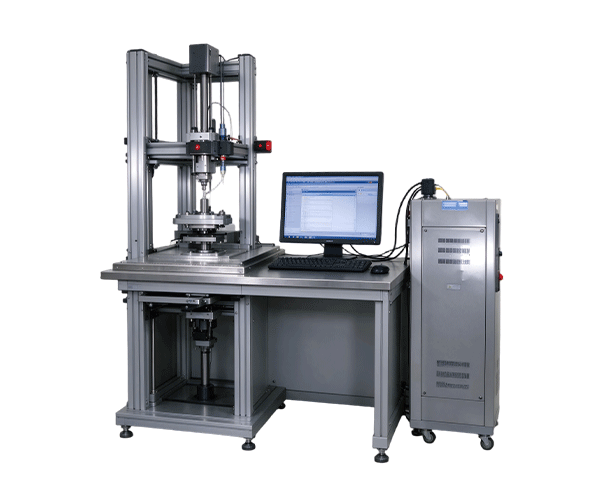
An electrical product aging test laboratory can be used to observe how a product behaves during extended operation. Depending on the project, the system may include power supplies, aging racks, temperature monitoring, electrical measurement instruments, control software, safety protection, and test data management. The final configuration depends on the product under test, the applicable standard, the required test capacity, and the customer's production or laboratory workflow.
We understand that a practical test system must do more than keep a product switched on. It should help operators identify abnormal behavior, record relevant test information, repeat defined test procedures, and review results efficiently. Our goal is to provide a customized electrical product aging test solution that fits the customer's actual process, instead of asking the customer to adapt their entire workflow to a standard machine.
1. What Is an Electrical Product Aging Test Laboratory?
An Electrical Product Aging Test Laboratory is a testing area or integrated test system used to evaluate the operating stability and durability of electrical products over a defined period. In simple terms, it allows a manufacturer to run products under planned conditions and observe whether their performance remains within the required limits.
For example, a manufacturer may need to check whether a power supply continues to operate normally during extended use, whether an electronic controller restarts unexpectedly, or whether a household appliance develops abnormal temperature changes during a long operating cycle. These problems may not appear during a short functional check. An aging test provides more time for potential weaknesses to become visible.
The term “aging test” can cover different procedures. Some projects require continuous operation under normal rated conditions. Others involve repeated start-and-stop cycles, electrical loading, controlled temperature, humidity exposure, or a combination of test steps. Aging tests should not be confused with every other reliability test. A temperature cycling test, a high-voltage insulation test, and an electromagnetic compatibility test each have different objectives, even if a manufacturer uses several of them within one product validation plan.
We begin by understanding what the customer needs to prove. Is the goal to screen products at the end of the production line? Is it to compare product designs during research and development? Does the laboratory need to run multiple samples simultaneously? Or does the customer require a system that records results for quality review? These questions guide the equipment design.
A customized laboratory may include the following elements, depending on the agreed scope:
Aging racks or test stations: These hold the samples and provide an organized testing area.
Power supply and load equipment: These provide the electrical conditions required by the test procedure.
Measurement instruments: These monitor selected values, such as voltage, current, power, or temperature, where required.
Temperature or environmental control: These functions may be included when the test plan calls for defined environmental conditions.
Control and monitoring software: This can help operators configure test steps, monitor channels, and record data.
Safety protection: Protective functions may include overcurrent protection, overtemperature alarms, emergency stopping, and suitable electrical isolation, as determined by the risk assessment and approved design.
Data storage and reporting: The system can be configured to retain test records and generate reports according to the customer's requirements.
Not every project needs all these functions. A small laboratory testing one product family may require a compact arrangement, while a high-volume manufacturer may need multiple channels, easier sample loading, and centralized monitoring. We select the configuration according to the intended use, rather than adding unnecessary functions that increase cost and complexity.
2. How Does the Electrical Product Aging Test System Work?
The basic principle is straightforward: the system applies defined operating conditions to the sample, monitors selected performance indicators, and records what happens during the test. The important part is making those conditions clear and repeatable.
Step 1: Confirm the product and test objective
Before equipment design begins, we need to understand the product's electrical ratings, dimensions, operating modes, expected service conditions, and test purpose. A small electronic controller, a power adapter, and a large household appliance have different connection requirements and may need very different fixtures.
We also confirm the applicable test specification. Customers may provide an internal inspection procedure, a product standard, a technical drawing, a test method, or a list of required measurements. If several standards apply, we clarify which clauses and test conditions are relevant to the equipment scope. The name of a standard alone is not enough to determine every setting.
Step 2: Prepare samples and test connections
Samples are placed in the designated stations and connected according to the approved wiring plan. The fixture should hold the product securely without blocking ventilation, stressing connectors, or interfering with normal operation. If the product has different operating modes, the setup must support the relevant modes specified in the test plan.
For multi-channel systems, we pay attention to the arrangement of cables, connectors, power distribution, and sample identification. A clear layout makes it easier for operators to load products, locate a particular channel, and investigate an abnormal result. The number of samples that can be tested simultaneously depends on the electrical load, physical dimensions, channel design, cooling needs, and safety requirements.
Step 3: Configure the aging conditions
The operator selects the test procedure and enters the parameters allowed by the approved system design. Depending on the project, these may include supply voltage, operating mode, test duration, load condition, temperature limits, start-and-stop sequence, alarm thresholds, and sampling interval.
These values must come from the customer's requirements or the applicable test method. We do not assume that all electrical products should be tested at the same voltage, temperature, or duration. Applying unsuitable conditions may damage samples or produce results that do not represent the intended test.
Step 4: Run the test and monitor performance
Once the test starts, the system supplies the planned operating conditions and monitors the selected channels. Depending on the configuration, the operator may see live measurements, channel status, elapsed time, alarm messages, and trend information on a control interface.
If a monitored value exceeds an agreed threshold, the system may trigger an alarm or perform a configured response. Whether an individual channel stops, the whole system stops, or the operator must intervene depends on the risk assessment and control logic. This behavior should be defined and verified before delivery.
Step 5: Review the results
After the specified test period, the operator reviews the recorded data and checks the sample against the agreed acceptance criteria. Some projects focus on whether the product remains operational. Others require recorded measurements, visual inspection, functional checks after aging, or comparison with pre-test values.
The system supports the test process, but it does not automatically determine compliance with every product standard. The final pass/fail decision must follow the applicable procedure, its acceptance limits, and the customer's quality requirements. We design the monitoring and reporting functions to make that review easier and more consistent.
Step 6: Save records and prepare for the next test
When the test is complete, the operator can export or review the available records according to the software configuration. A useful record normally identifies the sample, test date, selected conditions, relevant measurements, alarms, interruptions, and test outcome. The exact fields depend on the customer's documentation process.
Before another test begins, operators should check the equipment condition, connections, sample fixtures, and any required calibration or verification status. A repeatable procedure is essential when comparing different product batches or evaluating a design change.
3. Main Features and Technical Advantages
Customized design for different product types
We provide customized testing equipment because products vary greatly in size, electrical rating, connector layout, operating cycle, and monitoring requirements. A laboratory designed for compact electronic devices may use dense multi-channel racks, while a system for larger household appliances may need more space, stronger fixtures, and dedicated power distribution.
During project discussions, we confirm sample dimensions, test quantity, loading method, access requirements, and available installation space. These details affect the rack structure, wiring arrangement, control cabinet, and operator workflow. A well-planned layout can make routine work easier and reduce the chance of connection errors.
Stable and repeatable test conditions
Reliable comparison starts with consistent conditions. If two batches are tested at different supply settings or with different operating sequences, their results may not be directly comparable. We therefore focus on defining the test procedure, measurement points, channel configuration, and relevant limits before the equipment is built.
Where measurement accuracy is important, the instruments, sensors, wiring, and calibration requirements must be selected as part of the overall measurement chain. Accuracy should not be judged from a single instrument specification alone. Installation, signal quality, environmental conditions, and the way measurements are taken can all influence the final result.
Multi-channel testing and organized operation
For production environments, testing several samples at once can help improve throughput. A multi-channel aging test system may allow each sample to have its own connection, operating status, and monitoring record. Depending on the design, channels may share a common control interface while retaining separate alarms or test results.
Channel count should be chosen carefully. More channels do not automatically mean better productivity. The available power capacity, heat generated by the samples, operator access, wiring complexity, and the ability to identify failed samples all affect practical performance. We help customers balance test capacity with the conditions of the actual production floor.
Monitoring and alarm functions
Long-duration testing can be difficult to supervise manually, especially when many samples run at the same time. Suitable monitoring functions help operators recognize unexpected changes without constantly checking each product by hand.
Depending on the project, the system can be configured to monitor selected electrical values, temperature, elapsed time, or operating status. Alarm thresholds should be linked to the approved test procedure and product requirements. A threshold that is too sensitive can create unnecessary alarms, while one that is too loose may fail to flag a meaningful problem.
Safety-oriented equipment design
Aging tests may involve energized products, heat, moving parts, or high current. Safety must therefore be considered from the beginning, not added at the last minute. Relevant design measures may include protective grounding, suitable electrical insulation, overload protection, overtemperature protection, guards, emergency stop devices, warning labels, and controlled access to hazardous areas.
The specific measures depend on the equipment's voltage and current ratings, sample type, intended environment, and risk assessment. Customers should also establish operating procedures covering sample loading, inspection, maintenance, emergency response, and authorized access. The test laboratory should be operated by trained personnel under the customer's safety rules.
Data recording for quality management
Test data is useful only when it can be understood and traced back to the sample and test conditions. We can discuss data recording, channel identification, alarm logs, and report formats during system design. For customers with established quality systems, the record structure can be aligned with internal procedures where technically practical.
Data export formats, storage capacity, user permissions, network connections, and report layouts should be agreed before production. These are not minor software details. They influence how easily quality engineers can review trends, compare batches, investigate failures, and prepare evidence for internal audits or customer discussions.
Reference table: possible system functions
| Function | Purpose | Typical project consideration |
|---|
| Power supply | Provides the defined electrical input | Rated voltage, current, power capacity, and stability |
| Load control | Applies the required operating load | Load type, operating range, and duty cycle |
| Temperature monitoring | Tracks selected temperature points | Sensor type, location, response, and alarm limits |
| Channel monitoring | Displays the status of individual samples | Channel count, independent control, and fault handling |
| Data recording | Stores selected measurements and events | Sampling interval, record fields, export format, and retention |
| Safety protection | Reduces risks during test operation | Electrical hazards, heat, access, and emergency response |
Source: This is a functional planning table prepared from general engineering considerations for customized aging test systems, not a published performance specification. The final functions and technical limits must be confirmed in the approved project documents.
4. Applicable Standards and Test Planning
Electrical product aging tests should be designed around the product and the intended evaluation objective. A household appliance, a control module, and an electronic instrument may be subject to different requirements. We work with customers to identify the standards or internal procedures relevant to their products and translate those requirements into a practical equipment configuration.
One important point is that a standard may describe a test method without prescribing every test that a particular product must undergo. The applicable product standard, the product's intended use, and the selected test clause determine how the method should be applied. The edition and any relevant amendments should also be checked before a project is finalized.
Examples of standards that may be relevant
| Standard | Main subject | Possible relevance to test planning |
|---|
| IEC 60335-1 | Safety of household and similar electrical appliances — general requirements | May help define relevant appliance safety tests and related test equipment needs |
| IEC 60068-2-78:2025 | Environmental testing: damp heat, steady state | Relevant when a project needs to evaluate the effect of high humidity at constant temperature without condensation |
| IEC 61000-4-2:2025 | Electrostatic discharge immunity testing | Relevant to a separate EMC test setup when evaluating electrical and electronic equipment's response to electrostatic discharge |
Sources: IEC official publications — IEC 60335-1, IEC 60068-2-78:2025, and IEC 61000-4-2:2025. These references describe different types of requirements and test methods. Their inclusion does not mean that every aging laboratory automatically performs all tests listed here.
For example, IEC 60335-1 addresses general safety requirements for household and similar electrical appliances. It may be relevant when defining the wider product safety evaluation plan, but the actual test equipment depends on the clauses and product category involved.
IEC 60068-2-78:2025 specifies a damp-heat, steady-state test method for examining the effects of high humidity at constant temperature without condensation over a defined period. This is an environmental test method rather than a universal electrical aging procedure. If humidity exposure is required, the laboratory may need a controlled environmental chamber or an integrated arrangement designed for the specific test.
IEC 61000-4-2:2025 covers electrostatic discharge immunity testing. It defines test methods and related setup considerations for evaluating equipment exposed to electrostatic discharge. This is different from a conventional long-duration aging test. If the customer needs both aging and ESD evaluation, the equipment scope should clearly distinguish the separate test procedures and hardware requirements.
The key is to avoid choosing a standard simply because its title sounds relevant. We recommend confirming the product category, target market, applicable edition, required clauses, test severity, and acceptance criteria with the customer's technical or compliance team. Where an accredited laboratory or certification body is involved, its test plan and interpretation should take priority for the intended evaluation.
Reference table: standard selection questions
| Question | Why it matters | Information to prepare |
|---|
| What product is being tested? | Different product families have different hazards and requirements | Product name, model, intended use, and rated input |
| Which market is targeted? | Applicable standards and regulatory requirements can vary by market | Destination country or region and certification plan |
| Which test method applies? | It determines the test sequence and required functions | Standard number, edition, clause, or internal procedure |
| What must be measured? | Measurement needs influence instrument selection and data logging | Required parameters, limits, sampling interval, and accuracy |
| How is the result judged? | Pass/fail decisions need clear acceptance criteria | Limits, allowed interruptions, post-test checks, and report format |
Source: Project-planning checklist developed from general test-system engineering practice. Refer to the relevant standard and product-specific requirements for the authoritative test conditions.
5. Applications Across Electrical and Electronic Industries
Our customized electrical product aging test laboratory can be planned for different products and workflows. The exact scope depends on the sample and test objective, but the following examples illustrate common project considerations.
Electronic components and control modules
Electronic modules may be required to operate for extended periods while maintaining stable output and communication. An aging test system can provide controlled power, monitor selected signals, and record unexpected resets or abnormal readings when the required interfaces are included in the design.
For these products, fixture design and signal access are often important. The system must connect to the sample without damaging delicate pins or obstructing necessary heat dissipation. If the module has several operating modes, the test sequence should specify which modes are included and how the system recognizes abnormal behavior.
Power supplies and electrical conversion products
Power adapters, converters, and related products may need extended operation under defined input and load conditions. Depending on the test plan, the system may monitor input voltage, input current, output voltage, output current, power, temperature, or selected fault states.
These measurements help engineers see whether the product remains within its specified operating limits. However, the required channels, measurement accuracy, and loading method must be confirmed for each project. A test system intended for low-power products should not be assumed suitable for high-power equipment without a proper capacity and safety review.
Household appliances
Household appliances may contain motors, heating elements, control boards, sensors, pumps, or other components. Their operating cycles can differ significantly. A fan, kettle, washing appliance, and kitchen device should not be assigned an identical aging procedure merely because all use electricity.
We discuss how the product operates in normal use, which modes need to be tested, and whether temperature or other parameters must be monitored. The resulting setup may use dedicated fixtures, power distribution, sample-position planning, and channel status monitoring. Larger products may require wider spacing and better access for inspection.
Electrical switches, plugs, and sockets
Electrical connection products may require tests related to mechanical operation, electrical loading, temperature rise, durability, or other characteristics defined by the relevant specification. Some procedures involve repeated switching or connection cycles rather than simply leaving the sample energized.
Where repeated operation is required, the equipment may need a mechanical actuator, cycle counter, interlocking arrangement, and monitoring functions. The test sequence and acceptance criteria must be based on the relevant product standard or customer-approved procedure. An aging laboratory should not be treated as a substitute for every dedicated endurance or electrical safety test.
Research and development laboratories
During product development, engineers may need to compare several designs or component options. A flexible test setup can help them run comparable tests, collect measurements, and observe whether a design change affects operating stability. For research work, easy access to test settings and exportable data can be just as important as the physical equipment.
When the design is still changing, it is helpful to identify which functions are fixed and which may need adjustment later. We can discuss modular fixtures, spare channels, instrument interfaces, and software changes as part of the project scope, provided these options are technically feasible and agreed before production.
Manufacturing quality control and inspection institutions
Manufacturers may use aging systems for production screening, incoming component evaluation, process verification, or batch comparison. Inspection institutions may require a different setup, with greater emphasis on controlled test procedures, clear sample identification, documented measurements, and traceable results.
These applications have different priorities. A production line may focus on cycle time and operator convenience, while a laboratory may prioritize flexible test conditions and detailed records. We confirm the intended workflow before choosing the equipment structure and control functions.
6. Our Customization, Manufacturing, Inspection, and Delivery Process
At Guangzhou Chuangge Automation Equipment Co., Ltd., we specialize in customized testing equipment. We believe a good project starts with a clear understanding of the test requirement, not with a machine catalogue. Our team works with customers to turn the intended test procedure into a practical equipment plan.
Requirement review and technical communication
We first collect the product information, test objectives, applicable standards, sample quantity, required test duration, operating conditions, and measurement requirements. Drawings, sample photographs, wiring diagrams, technical specifications, and existing test procedures can all help clarify the project.
We also discuss the customer's available floor space, power supply, ventilation, operator access, installation environment, and data requirements. If some information is not yet available, we identify the open points and clarify them before finalizing the technical proposal. This reduces the risk of late changes after manufacturing has started.
Solution design and confirmation
After reviewing the requirements, we prepare a proposed equipment configuration. Depending on the project, this may cover the mechanical structure, aging stations, electrical control, measurement instruments, safety functions, software interface, and data recording.
We define the scope in a written technical document so that both sides understand what is included. Important items include the number of test channels, rated electrical conditions, required measurements, alarms, data export, accessories, acceptance method, and delivery documentation. If the project requires customer-specific fixtures or interfaces, these should be identified clearly.
Manufacturing and assembly
Once the technical solution is approved, we arrange the required materials, components, fabrication, electrical assembly, wiring, and software configuration according to the project design. The exact manufacturing route depends on the structure and functions of the equipment.
During assembly, we pay attention to component installation, cable routing, terminal identification, fixture fit, and the accessibility of components that may need routine maintenance. Clear identification and orderly wiring are useful not only during installation but also when the customer later needs to troubleshoot a channel or replace a component.
Functional inspection and performance verification
Before delivery, each unit undergoes functional inspection and performance verification according to the agreed scope. The checks may include power-on operation, control response, channel operation, monitoring functions, alarm behavior, data recording, and other project-specific items.
Where measurement performance must be verified, the test method and acceptance limits should be defined in advance. Calibration requirements for instruments should also be agreed according to the application. We do not claim that every system has the same accuracy or the same acceptance procedure; these details depend on the approved technical specification.
Documentation and customer handover
We provide operating instructions and technical documentation as agreed. Depending on the project, documents may include equipment specifications, operating procedures, wiring information, maintenance guidance, and relevant inspection records. The exact document package should be confirmed during the quotation and technical review stage.
Clear documentation helps the customer's operators understand normal operation, routine checks, and the correct response to alarms. We recommend that the customer identify the personnel responsible for operation and maintenance before installation and arrange suitable training based on the final system.
Production cycle, packaging, and transport
The typical production cycle for our customized testing equipment is approximately 30 to 60 days. The actual schedule depends on equipment specifications, customization complexity, component availability, software functions, and the time required for technical confirmation. Projects with special fixtures or non-standard integration may need a different schedule, which we confirm during project planning.
Before shipment, equipment is prepared with protective materials and packed in sturdy wooden cases where appropriate. Packaging is selected according to the equipment's dimensions, weight, fragile components, and transport route. We can arrange sea, air, or land transportation based on the destination, delivery schedule, and customer requirements.
Payment terms are negotiable and should be confirmed in the commercial agreement. To help the project proceed smoothly, we recommend confirming the technical scope, delivery location, shipping method, documentation, acceptance requirements, and payment milestones before the order is finalized.
Company capabilities and quality management
Guangzhou Chuangge Automation Equipment Co., Ltd. focuses on customized testing equipment for several industrial sectors, including construction materials and components, wires and cables, plastics and textiles, electrical plugs, sockets and switches, electronic products, and household appliances.
Our company has obtained ISO 9001 quality management, ISO 14001 environmental management, and ISO 45001 occupational health and safety management system certifications. We also maintain a portfolio of more than 20 patents, including invention patents, utility model patents, and software-related patents, as provided in our company information.
These credentials form part of our company background, but the suitability of a particular aging test system must still be assessed against the actual technical requirements. We encourage customers to review the proposed specifications, inspection scope, and documentation rather than relying on general company statements alone.
7. Why Work with Guangzhou Chuangge Automation Equipment Co., Ltd.?
Choosing a testing equipment supplier is not just a matter of comparing the purchase price. The system needs to match the product, fit the available space, support the intended test procedure, and remain practical to operate over time. We focus on these details from the first technical discussion through manufacturing and delivery.
We focus on the customer's actual test requirement
We do not assume that one standard configuration will suit every product. Our approach is to understand the sample, test objective, required measurements, and workflow before proposing a solution. This is particularly important for aging tests, where the operating conditions and monitoring needs can vary widely between products.
We can discuss integrated equipment functions
A test laboratory may need mechanical fixtures, electrical power distribution, measurement instruments, software, and safety functions to work together. We review these elements as a complete system. Where the customer needs a particular data interface or a dedicated fixture, we assess its feasibility during technical planning.
We pay attention to operation and maintenance
Equipment should be understandable to the people who use it every day. Clear channel labels, accessible connections, useful alarms, and practical operating instructions can make a real difference to routine testing. We consider operator workflow when discussing the equipment structure and control interface.
We provide a defined inspection and delivery process
Our equipment undergoes functional inspection and performance verification before delivery, with documentation provided according to the agreed scope. We also discuss packaging, transportation, and the expected production schedule before the order is confirmed. This gives customers a clearer basis for arranging installation and preparing their own production or laboratory activities.
We communicate technical limits clearly
Aging test equipment can only produce meaningful results when its capabilities match the test procedure. We therefore encourage customers to specify the required ranges, accuracy, channels, operating conditions, and acceptance criteria. If a requirement needs further clarification, it is better to resolve it during the design stage than to discover the gap during commissioning.
8. Frequently Asked Questions About Electrical Product Aging Test Laboratories
Q1: What products can be tested in an Electrical Product Aging Test Laboratory?
The system can be customized for many types of electrical and electronic products, including control modules, power supplies, electronic devices, and selected household appliances. The final suitability depends on product size, electrical ratings, operating mode, test objective, and the required safety measures. We recommend providing a product specification or sample information before confirming the equipment configuration.
Q2: Is an aging test the same as a reliability test?
Not exactly. Aging testing is one method that may contribute to reliability evaluation. It observes how a product performs under defined conditions over a specified period. Reliability evaluation can also involve other methods, such as environmental testing, endurance cycling, failure analysis, or statistical analysis. The appropriate methods depend on the product and the evaluation objective.
Q3: How long should an electrical product aging test run?
There is no single duration that applies to every electrical product. The required test period may be set by a product standard, an internal quality procedure, a customer specification, or a research plan. The equipment can be configured around the agreed duration and monitoring needs, but the test time should be determined by the applicable procedure rather than chosen arbitrarily.
Q4: Can the laboratory test multiple products at the same time?
Yes, multi-channel configurations can be considered when the project requires parallel testing. The practical channel count depends on the sample dimensions, electrical capacity, heat generation, fixture design, monitoring requirements, and operator access. We recommend confirming the target sample quantity and product ratings so the system can be designed for both capacity and safe operation.
Q5: Can temperature be monitored during aging tests?
Temperature monitoring can be included when it is relevant to the test objective. The number and location of sensors, measurement range, alarm limits, and recording interval should be specified according to the product and procedure. If the test requires a controlled temperature environment, additional environmental-control equipment may be necessary.
Q6: Does the system automatically determine whether a product passes or fails?
The system can support pass/fail evaluation when the required criteria are clearly defined and implemented in the approved control logic. It may monitor specified values, compare them with limits, and record alarms or test status. However, not every standard can be reduced to a single automatic decision. Some tests require visual inspection, post-test checks, or engineering review.
Q7: Can you customize the software and data report?
Customization can be discussed according to the project's technical needs. Potential options include channel status displays, test sequence settings, alarm records, measurement logging, sample identification, and report export. We need to confirm the required data fields, file format, user workflow, and any communication interfaces before defining the software scope.
Q8: How long does manufacturing take?
Our typical production cycle is 30 to 60 days, depending on the specifications and customization requirements. The final schedule is affected by technical confirmation, component availability, equipment complexity, and the agreed inspection process. We confirm the expected lead time during the quotation and order review stages.
Q9: What inspection is completed before delivery?
Each unit undergoes functional inspection and performance verification based on the agreed project scope. Depending on the configuration, this may cover power-on operation, channel control, measurement display, alarm functions, data recording, and other specified items. If the customer requires particular acceptance tests or inspection documents, these should be listed in the technical agreement.
Q10: What documentation is supplied with the equipment?
Operating instructions and technical documentation are provided as agreed. Depending on the project, the package may include equipment specifications, wiring details, operating guidance, maintenance information, and relevant inspection records. We recommend confirming the required language, document format, and number of copies before production is completed.
Q11: What payment and shipping options are available?
Payment terms are negotiable and should be written into the commercial agreement. We can arrange transportation by sea, air, or land, depending on the destination and schedule. Protective materials and sturdy wooden cases are used as appropriate to help protect the equipment during transit. Shipping costs, insurance, customs requirements, and delivery terms should be confirmed for each order.
Q12: What information should I provide to request a quotation?
To help us prepare a suitable proposal, please provide the product name and model, sample dimensions, rated voltage and current, test objective, required test duration, target number of samples, applicable standards or internal procedures, monitoring requirements, and installation location. Drawings, photographs, existing test instructions, and preferred report formats are also useful. If some details are not yet available, we can review the open items with your technical team.
Request a Customized Electrical Product Aging Test Laboratory
If you are planning a new reliability laboratory, upgrading an existing aging test station, or looking for a customized electrical product aging test system for production quality control, Guangzhou Chuangge Automation Equipment Co., Ltd. can discuss the requirements with your team.
We recommend starting with the product and the test procedure. Tell us what you need to test, which operating conditions must be applied, what information needs to be recorded, and how the results will be evaluated. With these details, we can review the required equipment functions, propose a suitable configuration, and clarify the technical scope before manufacturing begins.
Our Electrical Product Aging Test Laboratory solutions are customized according to confirmed project requirements. The production cycle is typically 30–60 days, and each unit undergoes functional inspection and performance verification before delivery. Operating instructions and technical documents are supplied as agreed, while payment and transportation arrangements can be discussed according to the project.
Contact Guangzhou Chuangge Automation Equipment Co., Ltd. to discuss your Electrical Product Aging Test Laboratory requirements and develop a practical testing solution for reliability and durability evaluation.
References and Technical Resources
Note: The standards listed above are reference resources for technical discussion, not a declaration that every system described on this page complies with every listed standard. Applicable editions, product-specific requirements, test parameters, measurement capabilities, and acceptance criteria must be confirmed for each project.


