


At Guangzhou Chuangge Automation Equipment Co., Ltd., we understand how important a thermal protection switch can be in an electrical product. Its job is easy to overlook because it is usually hidden inside equipment, but its performance can directly affect how that equipment responds when the temperature rises beyond an intended level. A thermal protection switch that operates too early, too late, or inconsistently may cause product performance problems and can create safety concerns.
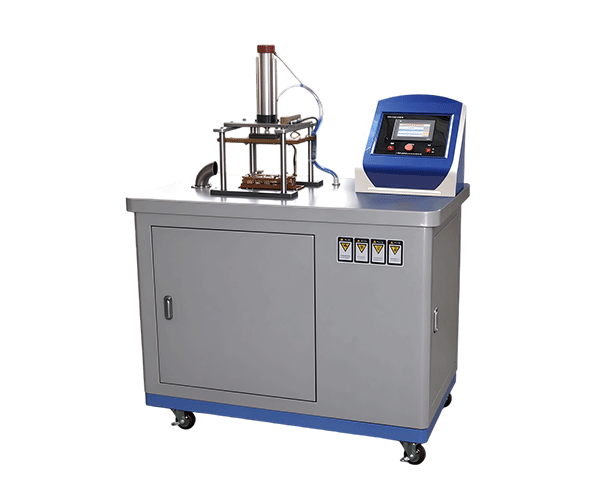
We develop customized testing equipment to help manufacturers and laboratories evaluate the performance, operating behavior, and durability of electrical components. Our Life/Performance Testing Machine For Thermal Protection Switches is intended for projects that require controlled testing of thermal protection devices under defined conditions. Depending on the application and confirmed configuration, the system can be planned to support repeated testing, operating-value evaluation, temperature-related measurements, and other functions required by the customer's test procedure.
We do not assume that every thermal protection switch works in the same way. Some devices respond to temperature changes and reset after cooling, while others are designed to operate only once. Different products may also have different rated temperatures, electrical loads, installation methods, and test requirements. These differences must be understood before a suitable testing machine can be designed.
For this reason, we start each customized project by discussing the specimen, the applicable standard, the required test sequence, and the results the customer needs to record. Our aim is to provide practical Thermal Protection Switch Testing Equipment that fits the customer's actual testing work rather than simply supplying a machine with a broad product name.
1. Understanding Thermal Protection Switches And Their Testing Needs
A thermal protection switch is a temperature-responsive device used to control or interrupt a circuit when a defined thermal condition occurs. It may help protect an electrical product against overheating or maintain operation within an intended temperature range. Depending on its design, the device may open or close an electrical circuit when its operating temperature reaches a specified point.
Thermal protection switches can be found in household appliances, motors, heating equipment, electrical control systems, and other products where temperature-related control or protection is required. The exact function depends on the device design and its intended application.
For manufacturers, the important question is not simply whether a new switch operates once. They also need to understand whether it responds consistently under the specified conditions, whether it behaves correctly after repeated operation when applicable, and whether its performance remains within the required limits.
Why Life And Performance Testing Matters
Imagine a manufacturer developing two versions of a thermal protection switch. Both samples may operate correctly during an initial check. However, after repeated thermal cycles, one sample may show a change in its operating temperature or reset behavior. Without a structured testing procedure, this difference could be difficult to identify during a quick inspection.
A Life Performance Testing Machine for Thermal Protection Switches helps engineers carry out defined tests under controlled conditions. The resulting measurements and observations can support product comparison, design verification, manufacturing process review, and quality control.
Depending on the device and test procedure, the evaluation may focus on:
Operating temperature or response value.
Reset temperature for devices designed to reset.
Operating and reset behavior across repeated test cycles.
Consistency between different specimens.
Changes in operation after an agreed test sequence.
Electrical switching behavior when required by the test method.
Visible damage or other changes after testing.
Not every project needs all these functions. A single-operation thermal cut-out, for example, requires a different test approach from a resettable thermal switch. We confirm the device type and test objective before determining which functions should be included.
Life Testing And Performance Testing Are Not Exactly The Same
Life testing usually focuses on how a device behaves over repeated operations or defined ageing conditions. Performance testing focuses on whether the device operates as intended under specified conditions. These activities can overlap, but they do not always use the same procedure.
A customer may need to verify an operating temperature, compare reset behavior, or evaluate repeated operation. Another customer may need a specific endurance test prescribed by a product standard. The equipment must be configured according to that requirement.
We therefore avoid treating the word "multifunctional" as a promise that every possible test is automatically included. We define the required functions with the customer and document the agreed scope before production.
2. How Our Thermal Protection Switch Life Testing Machine Works
The working principle depends on the type of thermal protection switch and the test procedure. In a temperature-response test, the specimen is exposed to a controlled thermal environment or a specified heating arrangement while the relevant temperature and switching behavior are monitored. In a life test, the equipment may need to repeat a defined thermal or operating sequence to evaluate changes over time.
The equipment configuration can include a suitable specimen fixture, a heating or temperature-control arrangement, temperature measurement components, a control system, and data-monitoring functions. The exact combination depends on the customer's technical requirements. We confirm whether the project requires a thermal chamber, a controlled heating block, a dedicated fixture, electrical monitoring, or other auxiliary equipment before finalizing the design.
Step 1: Confirm The Specimen And Test Method
We first review the thermal protection switch type, dimensions, operating principle, rated parameters, and applicable test standard. Product drawings, samples, and technical documents are helpful because they allow us to understand how the device should be mounted and tested.
We also confirm whether the specimen is resettable or single-operation, whether it must be electrically connected during testing, and whether the test involves heating, cooling, repeated cycling, or a combination of these steps.
Step 2: Install The Specimen
The specimen is installed in a suitable fixture or test arrangement. The installation method matters because the mounting position, thermal contact, airflow, and surrounding materials can influence the temperature experienced by the device.
Where the operating response depends on how the switch is installed in the finished product, the test method must account for that relationship. We discuss these conditions during equipment planning instead of assuming that a single mounting arrangement suits every application.
Step 3: Configure The Temperature And Operating Conditions
The operator sets the conditions required by the confirmed test procedure. Depending on the project, these may include the heating profile, temperature limits, dwell periods, cooling conditions, cycle count, and monitoring settings.
We do not assign a universal temperature range or test speed to every thermal protection switch. The correct values depend on the product specification and applicable standard. Using unsuitable settings can produce results that do not represent the intended application.
Step 4: Run The Test And Monitor The Response
Once the conditions are checked, the equipment carries out the programmed sequence. Temperature measurements and switching events can be monitored according to the selected configuration. If data recording is required, the recording format and the information to be collected should be agreed before the project is finalized.
For repeated testing, a consistent sequence helps engineers compare specimens more fairly. However, repeatability also depends on specimen preparation, fixture installation, sensor placement, calibration, and environmental conditions. The machine is one part of the test system, not the only factor affecting the result.
Step 5: Review The Results
After the test, the collected measurements and observations are compared with the applicable requirements. The review may include operating temperature, reset temperature, switching behavior, changes after repeated cycles, and other criteria defined in the test procedure.
If a specimen does not meet the expected result, the data can help engineers investigate possible causes. These may include material variation, assembly differences, thermal contact, or changes in the device mechanism. Further investigation may be needed before identifying the actual cause.
| Testing Stage | Typical Activity | Purpose |
|---|---|---|
| Preparation | Confirm device type and test procedure | Establish suitable testing conditions |
| Installation | Mount the specimen and arrange sensors as required | Ensure the test setup matches the method |
| Condition Setup | Set temperature and operating sequence | Apply the defined test conditions |
| Testing | Monitor temperature and switching response | Collect relevant performance information |
| Evaluation | Compare results with the applicable criteria | Support product assessment and quality control |
Source: General engineering workflow for temperature-responsive control testing. The actual sequence must follow the applicable product standard and the agreed test specification.
3. Key Features And Practical Advantages Of Our Testing Equipment
When customers look for a Thermal Protection Switch Life Testing Machine, they often ask whether the equipment can maintain stable test conditions, accommodate different specimens, record measurements, and support repeated operation. These are practical concerns. A testing machine needs to fit into daily laboratory or production work and produce results that can be interpreted properly.
Customized Specimen Fixtures
Thermal protection switches differ in shape, size, terminal arrangement, and installation method. Some devices are compact components intended to be mounted against a surface, while others have different shapes or connection structures. A fixture designed for one product may not hold another product correctly.
We review product drawings or physical samples to determine how the specimen should be installed. Depending on the project, we can discuss dedicated fixtures or arrangements that accommodate several models. The feasibility of interchangeable fixtures depends on differences in size, thermal contact, and test procedure.
Correct installation is important because the way heat reaches a specimen can affect the measured response. If the test requires a defined mounting method, the fixture should help maintain that method throughout the procedure.
Controlled Thermal Conditions
Temperature is central to the performance evaluation of thermal protection switches. Depending on the application, the testing system may need to heat the specimen, maintain a defined temperature condition, or support repeated heating and cooling cycles.
We select the appropriate heating and control arrangement based on the agreed requirements. The required temperature range, stability, uniformity, sensor type, and measurement method must be specified for each project rather than assumed from the product name alone.
Temperature Measurement And Response Monitoring
Monitoring the relevant temperature and the switching response helps engineers understand how the device behaves during testing. Depending on the configuration, the system may support temperature measurement, event monitoring, cycle counting, or data recording.
Measurement results are only useful when the measurement method is suitable. Sensor position, thermal contact, response time, and calibration can all influence the recorded value. We recommend confirming the required measurement points and reporting method during the technical discussion.
Repeatable Test Sequences
Repeated manual testing can introduce variation. An operator may heat the sample differently, wait for different periods, or record a switching event inconsistently. A controlled test sequence helps reduce these differences when the equipment is correctly configured and operated.
For customers testing multiple specimens, repeatability makes comparisons more useful. It can help identify differences between designs or production batches, provided the specimens are tested under equivalent conditions.
Optional Monitoring And Data Recording
Some laboratories only need a defined test cycle and direct measurement display. Others need records that can be reviewed later or attached to a quality report. We discuss the required monitoring and data functions before confirming the equipment configuration.
If the customer needs a particular report format, file output, alarm, or automatic stop condition, that requirement should be stated clearly. Not every function is standard on every customized system, and the final quotation should identify the functions included.
Safety And Operator Convenience
Testing may involve heated components, electrical connections, and moving or switching parts. The equipment design should account for these risks through appropriate controls, protective arrangements, operating instructions, and workplace procedures.
Depending on the project, protective covers, emergency stop functions, warning indicators, and other safety-related features can be considered. The final design must suit the equipment's actual risks and intended use.
Life Testing Compared With Other Thermal Tests
Thermal protection switch evaluation can involve different test types. A performance test may determine the temperature at which the device operates. A life test may investigate its behavior over repeated cycles or a specified ageing procedure. A separate electrical safety test may evaluate insulation resistance or dielectric strength.
These tests answer different questions. We help customers identify the required test scope so that the equipment configuration is neither too limited for the application nor unnecessarily complicated.
| Test Category | Main Objective | Equipment Consideration |
|---|---|---|
| Operating Temperature Test | Determine the temperature associated with switching response | Suitable thermal control and temperature measurement |
| Reset Temperature Test | Evaluate reset behavior for resettable devices | Controlled cooling or temperature reduction, as required |
| Life Or Endurance Test | Assess behavior over a defined repeated or ageing procedure | Defined test sequence and appropriate monitoring |
| Insulation Resistance Test | Assess the electrical insulation properties | Suitable insulation resistance test instrument |
| Dielectric Strength Test | Evaluate insulation under specified electrical stress | Suitable withstand-voltage test equipment |
Source: General distinctions between common electrical and thermal testing methods. The exact methods and acceptance limits must be taken from the applicable product standard.
4. Applicable Standards And How We Select The Right Configuration
For thermal protection devices, the applicable standard depends on the device's function, intended application, and construction. A temperature-sensing control used in a household appliance may be covered by a different set of requirements from a device designed exclusively for an industrial process.
At Guangzhou Chuangge Automation Equipment Co., Ltd., we recommend identifying the standard and its edition before confirming the machine design. The standard may define operating values, test sequences, construction requirements, electrical tests, or other conditions that influence the equipment configuration.
IEC 60730-2-9: Temperature-Sensing Controls
IEC 60730-2-9 addresses particular requirements for automatic electrical temperature-sensing controls used in or in association with household and similar equipment, including certain heating and air-conditioning applications. Its scope also covers relevant controls used in a range of public, commercial, and building-automation settings.
The standard is relevant to certain thermal protection and temperature-control devices, but it should not be assumed to apply to every thermal switch. The product category and intended application must be checked first. The 2026 edition is listed by the IEC as the fifth edition, replacing the previous edition and its amendments.
Official reference: IEC 60730-2-9:2026 – Automatic Electrical Controls, Part 2-9: Particular Requirements for Temperature-Sensing Controls.
Other Standards May Be Relevant
Some thermal protection devices fall within requirements associated with a particular appliance, motor, thermal link, or electrical component. The applicable test procedure may therefore be defined by another product-specific standard or by the manufacturer's approved specification.
We recommend that customers provide the exact standard number, edition, and relevant test clauses when available. If the device is intended for a particular market, the target market should also be confirmed. This makes it easier to determine whether the required test involves temperature response, endurance, electrical loading, or a combination of functions.
| Reference | General Scope | What To Confirm Before Equipment Design |
|---|---|---|
| IEC 60730-2-9:2026 | Particular requirements for temperature-sensing controls within its defined scope | Device category, intended application, relevant clauses, and required tests |
| Applicable Appliance Standard | Safety and performance requirements for a particular appliance or product | Whether the thermal protection device is tested separately or as part of the product |
| Manufacturer's Test Specification | Customer-defined requirements where applicable | Test conditions, measurement points, acceptance criteria, and documentation |
Source: IEC Webstore publication for IEC 60730-2-9:2026 and general engineering guidance on selecting product-specific test methods. The applicable standard must be verified for each device; this table does not establish that one testing machine satisfies every listed requirement.
Information We Need Before Quotation
To recommend a suitable Life/Performance Testing Machine For Thermal Protection Switches, we usually need to understand the following points:
Device type and operating principle.
Product drawings, sample dimensions, or technical data sheet.
Rated operating temperature and other relevant specifications.
Whether the device resets automatically, resets manually, or operates only once.
Applicable standard and edition, if known.
Required heating, cooling, or repeated-cycle procedure.
Electrical connection and load requirements, if applicable.
Temperature measurement and recording requirements.
Number of specimens and product models to be tested.
Required acceptance criteria and test documentation.
These details help us select the appropriate fixture, thermal arrangement, control functions, measurement components, and any additional equipment. They also help both sides agree on what the machine will and will not do before production starts.
5. Applications Across Electrical Manufacturing And Testing Industries
Thermal protection switches are used in many products where temperature needs to be controlled or an overheating condition needs to be addressed. Our customized testing equipment is intended to support manufacturers, laboratories, and quality inspection organizations that need to evaluate such components under defined conditions.
Household Appliance Manufacturing
Household appliances may include thermal controls or protective devices that respond when a temperature condition changes. Examples can include certain heating appliances, kitchen equipment, and other products containing temperature-sensitive electrical controls.
Manufacturers can use appropriate testing procedures to assess whether a component operates according to its specification. When a switch is part of a larger appliance, the relationship between the component and the installed product may also need to be considered.
Motor And Electrical Component Production
Some electrical components use thermal protection to respond to excessive temperature. Manufacturers may need to verify operating behavior, compare component designs, or investigate changes following a production adjustment.
The test setup must match the device type. A thermal protector designed for a motor application may have different installation and electrical requirements from a small thermal switch used in an appliance. We review these differences before recommending a configuration.
Heating And Temperature-Control Equipment
Heating and temperature-control products often rely on devices that respond to changing temperature conditions. Testing can help engineers assess switching behavior and confirm that the device performs according to the specified method.
Where the operating response depends on mounting, heat transfer, or surrounding components, these factors should be reflected in the test plan. A laboratory result is more useful when the conditions are clearly documented and relevant to the intended application.
Electrical Engineering Laboratories
Laboratories need controlled methods for evaluating specimens and keeping test records. A customized thermal switch testing system can help organize repeated measurements and reduce the manual work involved in maintaining a defined test sequence.
For laboratories handling multiple product types, fixture flexibility and clear test documentation can be important selection factors. We discuss the range of specimens and required reporting functions before determining whether one system can reasonably support the applications.
Product Certification And Quality Inspection
Certification and quality inspection organizations need equipment that supports the test methods applicable to the products under review. The test system should be selected according to the required procedure, measurement needs, and acceptance criteria.
We encourage customers to share their test specification early. That gives us a clearer basis for defining the machine functions and confirming which tests require separate instruments or additional equipment.
Research And Development
Product development teams may use performance testing to compare prototypes, investigate changes in operating temperature, or assess the effect of a material or design adjustment. A repeatable test setup can help engineers separate meaningful differences from variations caused by inconsistent test conditions.
When comparing specimens, the same test procedure, installation method, and measurement approach should be used wherever the standard permits. Otherwise, differences in the setup may influence the result and make the comparison less reliable.
6. Our Custom Manufacturing, Quality Inspection, And Delivery Process
At Guangzhou Chuangge Automation Equipment Co., Ltd., we treat customized testing equipment as a project that begins with technical communication. We first clarify the test objective and then develop the configuration around the specimen, the required procedure, and the customer's working environment.
Requirement Review
We collect the available technical information, including drawings, samples, applicable standards, required measurements, and expected test sequences. If a customer has a particular report format or data-recording requirement, we discuss that at the same stage.
Where information is incomplete, we identify the points that need confirmation before finalizing the design. This is especially important when the device has a unique operating principle or when its thermal response depends on the installation method.
Equipment Design And Component Selection
After confirming the requirements, we plan the fixture, thermal arrangement, control system, and measurement functions. Depending on the project, the equipment may require a dedicated heating arrangement, temperature sensors, a control interface, data-recording functions, or other auxiliary components.
We consider the practical use of the machine as well as its main testing function. Specimen installation, access for inspection, ease of operation, and maintenance needs can all influence the final arrangement.
Assembly And Functional Verification
During manufacturing, the equipment structure, control components, and specified test functions are assembled into the agreed system. Before delivery, each unit undergoes functional inspection and performance verification according to the agreed project scope.
The inspection is intended to verify the functions covered by the project specification. If a customer requires specific acceptance tests, records, or demonstration procedures, those items should be defined during the quotation and contract stage rather than assumed to be included automatically.
Technical Documentation
We provide operating instructions and technical documentation as agreed. The documentation helps the customer understand the intended operation, equipment functions, and relevant maintenance considerations.
Customers should review the delivered documents alongside the final technical specification. Where the equipment is used for formal compliance testing, the laboratory remains responsible for ensuring that the selected method, calibration arrangements, and test records meet the applicable requirements.
Production Cycle And Commercial Arrangements
Our typical production cycle is 30–60 days, depending on the equipment specifications and customization requirements. The actual schedule may vary with fixture complexity, component availability, the number of test functions, and the scope of verification.
Payment terms are negotiable and should be confirmed in the quotation or contract. We recommend finalizing the technical requirements before confirming the production schedule, as substantial changes after design approval may affect delivery timing.
Packing And Transportation
We can arrange transportation by sea, air, or land according to the destination and the customer's requirements. Protective packaging and sturdy wooden cases are used as appropriate to help protect the equipment during loading, handling, and transit.
For equipment containing sensitive measurement components or detachable fixtures, packing details should be confirmed before shipment. The destination, unloading arrangements, and any special handling requirements should also be discussed in advance.
| Project Item | General Arrangement | Details To Confirm |
|---|---|---|
| Production Cycle | Typically 30–60 days | Final specifications and customization scope |
| Pre-Delivery Inspection | Functional inspection and performance verification | Agreed inspection and acceptance requirements |
| Documentation | Operating instructions and technical documents as agreed | Required document list and language |
| Payment | Negotiable | Payment schedule in the commercial agreement |
| Transportation | Sea, air, or land | Destination and shipping method |
| Packing | Protective packaging and sturdy wooden cases as appropriate | Special handling and packing requirements |
Source: Guangzhou Chuangge Automation Equipment Co., Ltd. company and product information supplied for this product page.
7. Why Choose Guangzhou Chuangge For Thermal Switch Testing Equipment?
Choosing a testing machine involves more than selecting a product name from a catalogue. The equipment must fit the actual specimen, the test procedure, and the way the results will be used. We focus on understanding these requirements before confirming a customized solution.
Customized Equipment Based On Actual Requirements
We specialize in customized testing equipment for multiple industries, including construction materials and components, wires and cables, plastics and textiles, electrical plugs, sockets and switches, electronic products, and household appliances.
This range of applications means we regularly work with customers who need equipment adapted to a particular specimen or testing objective. For thermal protection switch projects, we use the supplied technical information to discuss the appropriate fixture, thermal arrangement, control functions, and measurement needs.
A Practical Approach To Standards
We understand that a machine must support the relevant test procedure rather than simply carry a standards-related product name. We therefore encourage customers to identify the applicable standard and provide the relevant clauses wherever possible.
When a test requires functions beyond the proposed machine configuration, we discuss those limitations before the order is confirmed. This helps the customer plan any additional instruments or testing arrangements that may be necessary.
Quality And Management Certifications
Guangzhou Chuangge Automation Equipment Co., Ltd. has obtained ISO 9001 Quality Management System, ISO 14001 Environmental Management System, and ISO 45001 Occupational Health and Safety Management System certifications.
Our company also holds more than 20 patents, including invention patents, utility model patents, and software-related patents. These credentials form part of our company background, while the functions and acceptance requirements for each individual machine are defined by its project specification.
Communication From Design Through Delivery
We discuss the equipment requirements, design arrangement, production schedule, inspection scope, documentation, and shipping method with the customer. Our typical production cycle is 30–60 days, depending on the project details.
We believe clear communication at the beginning of a project helps reduce misunderstandings later. Providing product drawings, a sample, and the relevant standard can make the technical discussion more accurate and help us prepare a suitable proposal.
8. Frequently Asked Questions About Thermal Protection Switch Life And Performance Testing
Q1: What is a Life/Performance Testing Machine for Thermal Protection Switches used for?
It is used to evaluate specified operating characteristics and, where required, behavior over repeated test cycles or defined ageing procedures. The actual functions depend on the device type and the confirmed configuration. The test plan should identify the measurements and acceptance criteria required for the application.
Q2: Can the equipment test both resettable and single-operation thermal protection devices?
These device types may require different procedures. Resettable devices can be evaluated for relevant operating and reset behavior, while single-operation devices require a method appropriate to their design. Please provide the device type and applicable standard so we can assess the suitable configuration.
Q3: Can operating and reset temperatures be measured?
Temperature-related measurements can be included when they are required by the test procedure and supported by the confirmed configuration. The measurement method, sensor placement, and required accuracy should be agreed before production.
Q4: Does the machine include automatic data recording?
Data recording can be discussed as part of customization. The available functions depend on the agreed configuration. If you need temperature curves, event records, cycle information, or a particular report format, please specify those requirements when requesting a quotation.
Q5: Which standard should I provide?
Please provide the standard that applies to your device and its intended use. IEC 60730-2-9:2026 covers particular requirements for temperature-sensing controls within its defined scope, but not every thermal protection switch automatically falls under it. A product-specific standard or manufacturer test specification may also apply.
Q6: Can the equipment perform repeated life testing?
Repeated testing may be supported when the required procedure and equipment configuration call for it. The test sequence, temperature conditions, cycle count, and any electrical loading must be defined according to the applicable standard or agreed specification.
Q7: Can one machine test several models?
That may be possible if the models can be accommodated by a suitable fixture and compatible test arrangement. Differences in dimensions, thermal contact, electrical connections, and test procedures should be reviewed before deciding whether one machine can support all models efficiently.
Q8: How long does production take?
Our typical production cycle is 30–60 days. The final schedule depends on the number of functions, fixture design, component requirements, and agreed verification scope. We confirm the project schedule after the technical requirements have been reviewed.
Q9: What inspection is performed before shipment?
Each unit undergoes functional inspection and performance verification according to the agreed project scope. Operating instructions and technical documents are provided as agreed. Any additional acceptance tests or records should be identified in advance.
Q10: Can the equipment be used for certification testing?
The equipment can be configured to support defined laboratory test procedures, subject to its confirmed capabilities. Whether it is suitable for a particular certification activity depends on the applicable standard, required measurements, calibration arrangements, and laboratory acceptance requirements. These details should be reviewed before purchase.
Q11: What information is needed for an accurate quotation?
Please provide the device model, drawings or sample, rated parameters, applicable standard, required test sequence, measurement needs, electrical loading conditions if applicable, and the number of product models to be tested. Your preferred shipping method and destination are also useful for planning delivery.
Q12: How is the machine shipped?
We can arrange sea, air, or land transportation according to the destination and project requirements. Protective packaging and sturdy wooden cases are used as appropriate. Any special handling or export packing requirements should be confirmed before shipment.
Discuss Your Thermal Protection Switch Testing Requirements With Us
At Guangzhou Chuangge Automation Equipment Co., Ltd., we believe useful testing equipment begins with a clear understanding of the product and the purpose of the test. Thermal protection switches can differ significantly in construction, operating behavior, and application, so the testing arrangement should be based on the actual device and the applicable procedure.
Our Life/Performance Testing Machine For Thermal Protection Switches can be customized according to your test requirements, specimen design, measurement needs, and laboratory workflow. Whether you need operating-temperature evaluation, reset behavior assessment, repeated testing, or additional monitoring functions, we welcome the opportunity to review your application.
To help us understand your project, please share your product drawings or samples, applicable standard, required test functions, and any available technical specification. We can then discuss the equipment configuration, production schedule, inspection requirements, documentation, packing, and delivery arrangements.
Guangzhou Chuangge Automation Equipment Co., Ltd. specializes in customized testing equipment for manufacturers, laboratories, and quality inspection organizations. Contact us to discuss a practical testing solution for your thermal protection switches.
