EN 1363-1 Fire Resistance Testing: Requirements and Test Procedures
EN 1363-1 fire resistance testing is an important part of evaluating the fire performance of building components. It provides general requirements for conducting fire resistance tests under controlled laboratory conditions. These requirements help laboratories establish consistent test procedures and assess how building elements perform when exposed to high temperatures.
For construction product manufacturers, testing laboratories, engineering companies, and building material suppliers, understanding EN 1363-1 fire resistance testing is essential. The standard provides a general framework for furnace conditions, temperature measurement, pressure conditions, test specimen arrangements, and other important aspects of fire resistance testing.
Fire resistance testing is different from simply checking whether a material can withstand heat. A building component may need to maintain specific functions during fire exposure, such as load-bearing capacity, integrity, or thermal insulation. The relevant performance criteria depend on the type of specimen and the particular test method being applied.
EN 1363-1 establishes general testing principles, while product-specific or element-specific standards may provide additional requirements for particular applications. Therefore, laboratories must identify the applicable test standard before preparing specimens or selecting testing equipment.
At Guangzhou Chuangge Automation Equipment Co., Ltd., we focus on customized testing equipment for building materials and industrial applications. Our equipment solutions are developed around customers' testing objectives, specimen requirements, laboratory conditions, and measurement needs. A properly configured fire resistance Test Furnace helps laboratories establish controlled heating conditions and collect the data required during EN 1363-1-related testing.
2. What Is the EN 1363-1 Standard?
EN 1363-1 is a general standard for fire resistance testing. It establishes fundamental requirements for conducting fire resistance tests on building elements under specified conditions.
The purpose of EN 1363-1 is to provide a consistent testing framework. When laboratories follow the applicable requirements, they can control important test variables and evaluate the performance of building components using a defined procedure.
The standard addresses several important areas, including:
General principles of fire resistance testing
Furnace heating conditions
Furnace temperature measurement
Furnace pressure conditions
Test specimen preparation and installation
Measurement of specimen performance
Test observations and reporting requirements
These requirements help laboratories conduct fire resistance tests in a controlled and documented manner.
It is important to understand that EN 1363-1 is a general test method standard. It should not be treated as a complete specification for every type of building component. Additional standards may define specific requirements for load-bearing elements, non-load-bearing elements, doors, floors, walls, or other construction assemblies.
Before conducting EN 1363-1 fire resistance testing, laboratories should confirm which product-specific standard applies to the specimen. This helps ensure that the test arrangement, measurement methods, and evaluation criteria are appropriate.
3. Main Requirements of EN 1363-1 Fire Resistance Testing
EN 1363-1 fire resistance testing involves several technical requirements that work together to establish controlled and repeatable test conditions.
3.1 Furnace Heating Conditions
Furnace heating conditions are one of the most important parts of EN 1363-1 fire resistance testing.
During a fire resistance test, the specimen is exposed to a controlled heating environment. The furnace temperature must follow the prescribed temperature-time relationship within the tolerances specified by the applicable standard.
A controlled heating process is necessary because changes in furnace temperature can influence the thermal response of the specimen. If the heating conditions are not properly maintained, the test results may become difficult to compare or interpret.
The Fire Resistance Test Furnace should therefore have a suitable heating system, temperature measurement arrangement, and control system. The equipment configuration must be appropriate for the intended specimen type and test requirements.
3.2 Furnace Temperature Measurement
Temperature measurement is essential for verifying furnace conditions during EN 1363-1 fire resistance testing.
The furnace temperature is generally monitored using suitable temperature sensors installed according to the applicable test procedure. Sensor type, position, number, and installation details should follow the relevant standard requirements.
Temperature data helps the laboratory determine whether the furnace has maintained the required heating conditions throughout the test.
It is also important to distinguish furnace temperature from specimen temperature. Furnace temperature represents the heating environment, while temperatures measured on the specimen or its unexposed surface provide information about the component's thermal response.
A reliable temperature measurement system supports better monitoring, data recording, and test evaluation.
3.3 Furnace Pressure Conditions
Furnace pressure is another important factor in fire resistance testing.
Pressure conditions can influence the movement of hot gases within the furnace and the interaction between the furnace environment and the test specimen. The required pressure arrangement depends on the furnace configuration, specimen position, and applicable test procedure.
During testing, the laboratory needs to monitor and control pressure conditions where required. The measurement system should be suitable for the specified test arrangement.
Incorrect pressure conditions may influence observations of flame or hot gas passage and can affect the interpretation of specimen performance. For this reason, pressure measurement and control should be considered during the design and selection of Fire Resistance Testing Equipment.
3.4 Test Specimen Installation
Specimen installation must be carried out according to the requirements of the relevant test method.
The laboratory should confirm specimen dimensions, material composition, joints, connections, fixings, supporting structures, and mounting details before testing begins.
For example, a wall assembly may include several layers of construction materials, framing members, insulation, joints, and fixing components. A floor assembly may require a different support arrangement and loading configuration.
The specimen must be installed securely and in the correct position within the furnace opening. Incorrect mounting or unsuitable support conditions may influence the specimen's behavior during heating.
Proper installation is therefore essential for reliable EN 1363-1 fire resistance testing.
3.5 Test Duration and Performance Monitoring
The test duration depends on the intended evaluation and the requirements of the applicable standard.
During fire exposure, the laboratory monitors the specimen and records relevant measurements. The test may continue until a specified failure criterion is reached or until the required testing period has been completed.
Depending on the specimen type, the evaluation may involve load-bearing capacity, integrity, thermal insulation, or other criteria specified by the relevant test method.
The recorded time and observations provide the basis for evaluating the fire resistance performance of the tested building component.
4. Fire Resistance Testing Procedures Under EN 1363-1
A typical EN 1363-1 fire resistance testing process involves several stages. Each stage needs to be planned carefully to ensure that the equipment, specimen, and measurement arrangements are suitable.
Step 1: Confirm the Applicable Testing Standard
Before preparing the specimen, the laboratory should identify the applicable fire resistance test standard.
EN 1363-1 provides general requirements, but the specific building component may also need to be tested according to another relevant standard.
The laboratory should confirm:
The type of building component
The intended fire resistance performance criteria
The required specimen dimensions
The heating conditions
The measurement requirements
The applicable test and classification procedures
Confirming these details helps prevent mistakes during specimen preparation and equipment configuration.
Step 2: Prepare the Test Specimen
The specimen should represent the construction configuration required by the applicable test method.
Preparation may involve cutting, assembling, fastening, sealing, conditioning, or other procedures. All relevant materials and construction details should be documented.
The laboratory should also check the specimen's physical condition before installation. Any requirements related to moisture content, storage, or conditioning should be followed where specified.
Consistent specimen preparation helps reduce unnecessary variation between tests.
Step 3: Install the Specimen in the Furnace
After preparation, the specimen is installed in the fire resistance test furnace.
The mounting arrangement must be suitable for the specimen's dimensions, weight, and construction type. The laboratory should check the supporting frame, fixing points, joints, and sealing details.
The specimen should be positioned according to the test procedure so that the required surface is exposed to the furnace environment.
Before heating starts, operators should inspect the installation and confirm that the measurement instruments are correctly positioned.
Step 4: Check the Measurement and Control Systems
The laboratory should verify the condition of the furnace control system and all required measurement channels.
This may include checking furnace temperature sensors, unexposed-surface temperature sensors, pressure measurement instruments, displacement sensors, and data acquisition equipment.
The exact instruments required depend on the test application and applicable standard.
The operator should confirm that the measurement system is functioning correctly and that the data recording process is ready.
Step 5: Start the Heating Process
Once the specimen and equipment have been checked, the furnace heating process can begin.
The furnace follows the prescribed heating conditions. The control system monitors temperature measurements and adjusts the heating process as required.
During EN 1363-1 fire resistance testing, maintaining the required furnace conditions is important for obtaining meaningful results.
Operators should monitor the system throughout the test and record any unusual conditions or operational events.
Step 6: Monitor the Specimen During Fire Exposure
During heating, the laboratory monitors the specimen's response.
Depending on the test method, this may involve observing cracks, deformation, openings, flame passage, or other signs of performance changes.
Temperature measurements on the unexposed surface may be used to evaluate insulation performance. Mechanical measurements may be required when testing load-bearing components.
All observations and measurements should be recorded according to the applicable procedure.
Step 7: Evaluate the Test Results
After the test, the laboratory reviews the recorded data and observations.
The evaluation focuses on the performance criteria defined by the relevant test standard. The recorded time at which a specific failure condition occurs may contribute to the final fire resistance assessment.
The laboratory should prepare a test report that identifies the specimen, test method, equipment arrangement, test conditions, measurements, observations, and results.
The final rating or classification must follow the applicable classification requirements. It should not be determined solely by the total time that the furnace was operating.
5. The Role of a Fire Resistance Test Furnace
A fire resistance test furnace is the central piece of equipment used to expose building components to controlled high-temperature conditions.
For EN 1363-1 fire resistance testing, the furnace must be suitable for the required specimen arrangement and heating conditions. It also needs to work with appropriate measurement and control systems.
5.1 Heating System
The heating system provides the thermal energy required to establish the test environment.
Its design should consider furnace dimensions, specimen type, heating requirements, and the intended testing application.
A suitable heating system helps the furnace follow the required temperature-time conditions. Heating distribution and system control should be considered during equipment design.
5.2 Temperature Control System
The temperature control system monitors furnace conditions and supports adjustment of the heating process.
A suitable system can display temperature measurements and record relevant data throughout the test.
The number of measurement channels, control functions, and data recording requirements should be confirmed according to the intended test method.
5.3 Pressure Measurement System
Where pressure measurement is required, the furnace should be equipped with an appropriate pressure monitoring arrangement.
The system helps operators check furnace pressure conditions and maintain the required test environment.
Pressure measurement requirements should be reviewed during the equipment specification stage.
5.4 Specimen Support Structure
The specimen support structure holds the test specimen in the required position.
Different building components may need different mounting arrangements. Walls, floors, doors, and structural elements can vary considerably in dimensions, weight, and installation details.
The furnace opening and support structure should therefore be selected according to the intended testing application.
5.5 Data Acquisition System
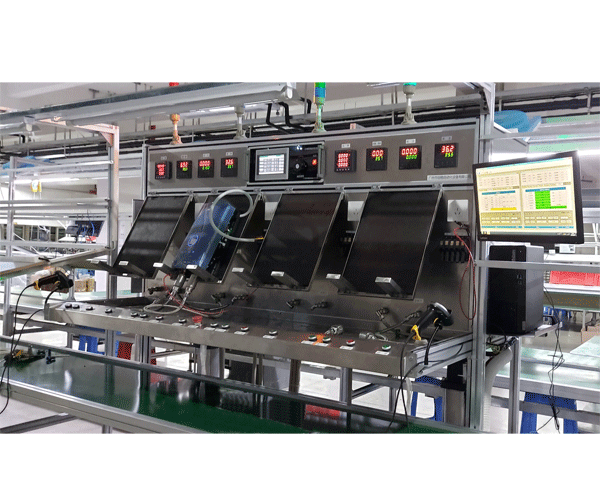
A data acquisition system helps collect and organize measurements during fire resistance testing.
Depending on the configuration, it may record furnace temperature, specimen surface temperature, pressure, displacement, and other relevant parameters.
Clear data records support test review, technical analysis, and preparation of laboratory reports.
6. Important Performance Criteria in Fire Resistance Testing
EN 1363-1 fire resistance testing provides a general framework for evaluating the behavior of building components. The actual performance criteria depend on the specimen and the relevant test standard.
6.1 Load-Bearing Capacity
Load-bearing capacity refers to the ability of a structural element to maintain its required supporting function during fire exposure.
This criterion is relevant to structural components such as columns, beams, load-bearing walls, and floors.
During testing, the specimen may be subjected to a specified mechanical load. The laboratory monitors its behavior and evaluates whether it maintains the required structural performance.
6.2 Integrity
Integrity refers to the ability of a separating element to prevent flames and hot gases from passing through under the conditions specified by the test method.
This criterion is important for walls, floors, partitions, and fire separation assemblies.
The laboratory observes the specimen and applies the evaluation procedures defined by the relevant standard.
6.3 Thermal Insulation
Thermal insulation describes the ability of a building component to restrict temperature increases on its unexposed side.
Temperature sensors are installed at specified locations, and the recorded values are evaluated according to the applicable requirements.
A component may maintain integrity while still allowing significant heat transfer. Therefore, insulation performance is assessed separately when required.
7. Factors That Affect EN 1363-1 Fire Resistance Testing Results
Even when the same general test method is used, several factors may influence the results.
7.1 Material Properties
Different building materials respond differently to high temperatures. Thermal conductivity, density, moisture content, expansion, shrinkage, and mechanical strength can all affect fire performance.
The combination of materials within a building assembly may also influence heat transfer and structural behavior.
7.2 Specimen Dimensions
Specimen thickness, length, width, and construction details can influence the way heat moves through the assembly.
The specimen should be prepared according to the dimensions and configuration required by the applicable test procedure.
7.3 Installation Quality
Incorrect mounting, unsuitable fixing methods, or inconsistent joint treatment may affect the specimen's behavior during fire exposure.
Installation details should be checked and documented before the test begins.
7.4 Furnace Temperature Stability
The furnace must maintain the required heating conditions within the permitted tolerances.
Temperature sensor performance, heating system condition, control settings, and equipment maintenance can influence furnace operation.
7.5 Measurement System Accuracy
Reliable measurement data is essential for evaluating fire resistance performance.
Sensors should be suitable for the testing application, installed correctly, and maintained according to appropriate laboratory procedures.
7.6 Operator Experience
Operators need to understand the test procedure, equipment operation, specimen installation, and data recording requirements.
Consistent operating procedures and suitable training help reduce avoidable errors during testing.
8. How to Select EN 1363-1 Fire Resistance Testing Equipment
Selecting suitable EN 1363-1 fire resistance testing equipment requires a clear understanding of the laboratory's testing objectives.
The first step is to identify the types of building components that need to be tested. Different specimens may require different furnace sizes, mounting arrangements, and measurement systems.
The second step is to confirm the applicable test standards. EN 1363-1 provides general requirements, while additional standards may specify the detailed test arrangements for particular building elements.
The third step is to determine the maximum specimen dimensions and weight. These details influence furnace opening size, support structure design, and installation requirements.
The fourth step is to review the heating and measurement systems. The equipment should support the required furnace temperature monitoring, pressure measurement, and other relevant data collection functions.
The fifth step is to evaluate laboratory conditions. Available space, power supply, ventilation, exhaust arrangements, operator access, and safety provisions should be considered before installation.
Finally, discuss customization and technical support with the equipment manufacturer. A clear equipment specification helps ensure that the proposed system matches the laboratory's actual testing needs.
At Guangzhou Chuangge Automation Equipment Co., Ltd., we provide customized testing equipment solutions for building materials and industrial applications. We work with customers to understand specimen requirements, testing procedures, and laboratory conditions before confirming the equipment configuration.
9. Common Mistakes to Avoid During EN 1363-1 Testing
Several avoidable mistakes can affect the quality and reliability of fire resistance testing.
One common mistake is treating EN 1363-1 as the only standard needed for every building component. Since it provides general requirements, laboratories should also identify any additional product-specific or element-specific standards.
Another mistake is preparing specimens without confirming the required construction details. Differences in thickness, joints, connections, and support conditions may influence test results.
Incorrect sensor placement is another concern. Temperature and pressure measurement instruments must be installed according to the applicable procedure.
Laboratories should also avoid relying only on the furnace's displayed temperature without reviewing the complete measurement records and test conditions.
Finally, equipment selection should not be based only on furnace size or heating capacity. The complete testing system, including specimen support, measurement, control, data acquisition, and laboratory installation, should be considered.
10. Frequently Asked Questions About EN 1363-1 Fire Resistance Testing
Q1: What is EN 1363-1 used for?
EN 1363-1 provides general requirements for conducting fire resistance tests on building elements. It establishes fundamental principles for furnace conditions, temperature measurement, pressure conditions, and other aspects of testing.
Q2: Does EN 1363-1 cover every type of building component?
EN 1363-1 provides general testing requirements, but specific building components may require additional standards that define particular specimen arrangements and test procedures. Laboratories should confirm the applicable standards before testing.
Q3: What equipment is needed for EN 1363-1 fire resistance testing?
A typical setup includes a suitable fire resistance test furnace, heating and temperature control systems, temperature sensors, specimen support structures, and data acquisition equipment. Additional measurement instruments may be required depending on the test application.
Furnace temperature control helps maintain the required heating conditions during the test. Stable and properly monitored conditions support consistent testing and meaningful evaluation of specimen performance.
Q5: What performance criteria are evaluated during fire resistance testing?
Common criteria include load-bearing capacity, integrity, and thermal insulation. The applicable criteria depend on the building component and the relevant test standard.
Q6: Can fire resistance testing equipment be customized?
Yes. Equipment configuration may be tailored according to specimen dimensions, testing applications, furnace requirements, measurement channels, and laboratory conditions. The exact configuration should be confirmed through technical discussion before manufacturing.
EN 1363-1 fire resistance testing provides a general framework for evaluating the fire performance of building components under controlled laboratory conditions. Its requirements cover important aspects such as furnace heating conditions, temperature measurement, pressure conditions, specimen installation, and test procedures.
For reliable results, laboratories need to pay attention to the entire testing process, from selecting the applicable standard and preparing the specimen to monitoring furnace conditions and evaluating test data.
A suitable fire resistance test furnace and properly configured measurement system are essential parts of this process. By selecting equipment according to the intended application and relevant test requirements, laboratories can establish a more practical and consistent fire resistance testing system.
Guangzhou Chuangge Automation Equipment Co., Ltd. specializes in customized testing equipment solutions for building materials and industrial applications. We work with customers to understand their testing objectives and provide equipment configurations based on specimen requirements, laboratory conditions, and measurement needs. If you are planning an EN 1363-1 fire resistance testing project, contact our team to discuss your application and equipment requirements.


Comment
(0)