What Is a Floor Covering Burning Behaviour Test Apparatus?
Flooring materials are widely used in residential buildings, commercial properties, offices, hotels, public facilities, and transportation environments. Common products include carpets, textile floor coverings, resilient flooring, and other decorative or functional floor materials. While these products provide comfort, appearance, and practical performance, their behaviour when exposed to fire is also an important consideration.
A Floor Covering Burning Behaviour Test Apparatus is specialized laboratory equipment designed to evaluate how flooring materials react when exposed to a controlled source of radiant heat and flame. The equipment helps assess important fire behaviour characteristics, including flame spread, critical radiant flux, and smoke production, depending on the test configuration and measurement system.
Unlike ordinary visual inspections, a Floor Covering Burning Behaviour Test Apparatus provides controlled testing conditions and measurable results. Manufacturers, laboratories, and quality inspection organizations can use these results to understand the fire performance of flooring products and compare the behaviour of different material formulations.
For flooring manufacturers, fire testing is not simply a final inspection step. It can also support material development, product improvement, quality control, and compliance assessment. By using suitable Flooring Fire Testing Equipment, manufacturers can identify potential problems during product development rather than waiting until the final production stage.
This article explains what a Floor Covering Burning Behaviour Test Apparatus is, how it works, its main components, the testing procedure, and the factors that should be considered when selecting equipment for a laboratory.
2. What Is a Floor Covering Burning Behaviour Test Apparatus?
A Floor Covering Burning Behaviour Test Apparatus is a testing system used to evaluate the reaction-to-fire behaviour of Floor Covering Materials under specified laboratory conditions.
One commonly used approach is the radiant panel test for flooring. In this method, a flooring specimen is exposed to a controlled radiant heat environment. A pilot flame is used as specified by the test method, and the movement of the flame front is observed during the test.
The equipment is designed to create a repeatable thermal exposure so that the fire behaviour of different flooring samples can be evaluated under comparable conditions.
A typical Flooring Radiant Panel Test Apparatus may include a radiant heat source, specimen holder, pilot burner, testing chamber, exhaust system, temperature monitoring components, and data recording functions. The exact configuration depends on the applicable test method and the requirements of the laboratory.
For many flooring applications, EN ISO 9239-1 is an important reference for evaluating the reaction to fire of floor coverings using a radiant heat source. The method focuses on the critical radiant flux at flame extinction and includes provisions for evaluating smoke production.
It is important to understand that a Floor Covering Burning Behaviour Test Apparatus is not a general-purpose fire resistance furnace. Fire Resistance Testing evaluates the ability of building elements to maintain specified functions during fire exposure, while flooring reaction-to-fire testing examines how a floor covering behaves when exposed to defined ignition and heating conditions.
These testing methods serve different purposes and should not be used interchangeably.
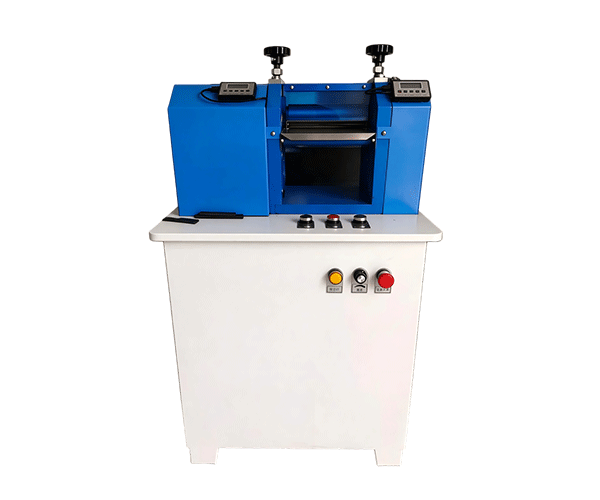
3. Main Components of a Floor Covering Burning Behaviour Test Apparatus
The performance of a Floor Covering Burning Behaviour Test Apparatus depends on the coordination of several mechanical, heating, measurement, and safety systems.
3.1 Radiant Heat Source
The radiant heat source provides controlled thermal exposure to the flooring specimen. It creates a heat flux distribution along the specimen surface, allowing the test to simulate the heating conditions specified by the relevant test method.
The stability and uniformity of the radiant heat source are important because changes in thermal exposure can influence flame propagation and the resulting test data.
When evaluating Flooring Fire Testing Equipment, laboratories should pay attention to the heating system's control capability, stability, maintenance requirements, and calibration arrangements.
3.2 Specimen Holder and Mounting Frame
The specimen holder is used to install and support the flooring sample in the required testing position.
Correct specimen mounting is essential. The sample must be installed according to the dimensions, orientation, backing conditions, and preparation requirements of the applicable test method.
If the specimen is incorrectly positioned, the distance between the sample and the radiant heat source may change. This can affect the exposure conditions and make the results less reliable.
A practical Floor Covering Burning Behaviour Test Apparatus should provide a stable mounting structure that allows operators to install specimens consistently.
3.3 Pilot Burner System
The pilot burner provides the ignition source required by the test procedure. It is used to initiate flame exposure at the specified location.
The burner system should provide controlled and repeatable operation. Gas supply, ignition, flame stability, and safety protection are all important considerations.
Before testing, operators should check the burner condition and confirm that the gas supply and ignition system are functioning correctly.
3.4 Testing Chamber
The testing chamber provides the controlled space in which the flooring specimen is exposed to radiant heat and flame.
Its structure helps maintain the required testing arrangement and supports observation of flame movement. The chamber should be designed to withstand the thermal conditions associated with the test.
The internal arrangement, specimen positioning, ventilation, and exhaust connection should follow the applicable test method.
3.5 Exhaust and Smoke Measurement System
During combustion, flooring materials may release smoke and combustion products. The exhaust system collects and removes these products from the testing area.
Depending on the equipment configuration, smoke measurement components may be used to monitor smoke production during the test.
Smoke data can provide additional information about the fire behaviour of a flooring product. However, Smoke Production Measurements should not be interpreted as a complete assessment of smoke toxicity.
3.6 Temperature and Data Acquisition System
The measurement and data acquisition system records relevant testing information. Depending on the equipment design, it may collect temperature, test duration, flame spread observations, smoke-related data, and other parameters.
Digital recording helps operators review test progress and organize results. It can also reduce manual recording errors and make it easier to compare different flooring samples.
A well-designed Floor Covering Burning Behaviour Test Apparatus should provide a clear operating interface and practical data management functions.
4. How Does a Floor Covering Burning Behaviour Test Apparatus Work?
The working principle of a Floor Covering Burning Behaviour Test Apparatus is based on exposing a flooring specimen to a specified radiant heat environment and observing its response.
In a typical radiant panel test arrangement, the flooring specimen is mounted at the required angle and position relative to the radiant heat source. The specimen is then exposed to the prescribed thermal conditions, and ignition is initiated using the specified pilot flame procedure.
Once the material ignites, the flame front may spread along the specimen surface. Operators observe and record the flame propagation distance and relevant test data according to the applicable method.
The test continues for the required period or until the conditions specified by the procedure are reached.
The results can help determine how the flooring material behaves under the defined exposure conditions. The critical radiant flux at flame extinction is an important measurement in radiant panel testing. It represents the radiant heat flux at the location where the flame ceases to spread under the specified test conditions.
This value is useful when comparing the reaction-to-fire performance of flooring products tested using the same method.
The Floor Covering Burning Behaviour Test Apparatus therefore combines controlled heat exposure, ignition, specimen support, observation, and measurement into one testing system.
5. Testing Procedure for Flooring Materials
Although detailed operating steps depend on the applicable test standard and equipment configuration, a typical testing workflow includes the following stages.
Step 1: Specimen Preparation
The flooring sample is prepared according to the requirements of the test method. Dimensions, conditioning, backing materials, and installation details should be checked before testing.
For products with multiple layers, the specimen preparation process should reflect the construction of the flooring product being evaluated.
Step 2: Equipment Inspection
Before starting the test, operators should inspect the radiant heat source, burner, gas supply, specimen holder, exhaust system, and measurement components.
The Floor Covering Burning Behaviour Test Apparatus should be in a suitable operating condition, and relevant calibration or verification checks should be completed according to laboratory procedures.
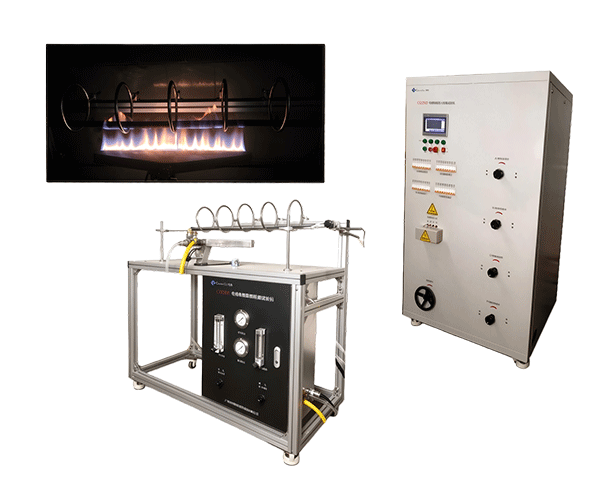
Step 3: Specimen Installation
The prepared specimen is installed in the mounting frame. Its position and orientation should match the requirements of the test method.
Operators should ensure that the sample is securely supported and that the installation does not introduce unintended gaps or changes to the specified test arrangement.
Step 4: Establishing Test Conditions
The equipment is operated to establish the required radiant heat conditions. The pilot burner and other relevant systems are checked before ignition.
The test should not begin until the specified operating conditions have been reached.
Step 5: Ignition and Flame Observation
The specimen is exposed to the prescribed ignition procedure. Operators observe the flame front and record its movement according to the test method.
The distance and timing of flame propagation are important observations during the evaluation of flooring fire behaviour.
Step 6: Data Recording
Relevant measurements and observations are recorded throughout the test. Depending on the test configuration, this may include flame spread, critical radiant flux, test duration, and smoke-related information.
Step 7: Result Evaluation
After testing, the recorded data are reviewed and evaluated according to the applicable method. The results can be used for product comparison, development work, and relevant compliance assessment.
A consistent procedure is essential when using a Floor Covering Burning Behaviour Test Apparatus because specimen preparation, equipment condition, and operating conditions can all influence the final results.
6. What Materials Can Be Tested?
A Floor Covering Burning Behaviour Test Apparatus is intended for applicable floor covering products. The actual material scope depends on the test method, specimen construction, and equipment configuration.
Common examples include:
Carpet and textile floor coverings: These products may include woven carpets, tufted carpets, and other textile-based flooring materials. Their fibre composition, pile structure, backing, and surface treatment can influence flame spread and smoke production.
Resilient flooring: Certain resilient floor coverings, including products made from polymer-based materials, may require reaction-to-fire evaluation. Their behaviour can vary according to formulation, thickness, fillers, and surface layers.
Composite flooring products: Some flooring materials contain several functional layers. The combined structure may affect ignition, flame propagation, and combustion behaviour.
Underlay and backing materials: Where the applicable test method permits, backing or underlay materials may form part of the test specimen arrangement. Their influence should be considered when preparing samples.
Other floor covering products: Laboratories may evaluate additional flooring products when the selected test method and specimen arrangement are suitable.
Not every flooring material is automatically required to undergo the same test. The appropriate method should be selected according to product type, intended application, applicable regulations, and relevant technical specifications.
7. Important Test Indicators
A Floor Covering Burning Behaviour Test Apparatus can support the evaluation of several important aspects of flooring fire behaviour.
7.1 Critical Radiant Flux
Critical radiant flux is a key result associated with radiant panel testing. It indicates the radiant heat flux at the point where flame spread stops under the specified test conditions.
This value helps laboratories compare the reaction-to-fire behaviour of different floor covering samples.
The result should always be interpreted in the context of the applicable test method and its reporting requirements.
7.2 Flame Spread
Flame spread describes how far and how quickly the flame front moves across the flooring specimen.
A material's flame spread behaviour may be influenced by its composition, surface structure, thickness, backing, and installation conditions.
Recording flame propagation helps laboratories understand how the tested flooring product responds to the defined ignition and radiant heat exposure.
7.3 Smoke Production
Smoke production is another important consideration in flooring fire testing. Some materials release substantial smoke when exposed to heat and flame.
Where the equipment includes the required measurement system, smoke-related data can be collected and evaluated according to the test method.
Smoke production is not the same as smoke toxicity. Additional testing is necessary when the objective is to investigate the toxicity of combustion products.
7.4 Ignition and Combustion Behaviour
Ignition behaviour describes how a flooring specimen responds to the prescribed ignition source. Other observations may include flame persistence and the development of combustion during the test.
These observations provide useful information for product development and material comparison.
8. Applications of Floor Covering Burning Behaviour Test Apparatus
A Floor Covering Burning Behaviour Test Apparatus is used in laboratories and manufacturing environments where the fire behaviour of flooring products needs to be evaluated.
Flooring manufacturers: Manufacturers can use testing equipment during product development to compare material formulations, backing structures, surface treatments, and production variations.
Third-party testing laboratories: Independent laboratories can use the equipment to conduct flooring Fire Performance Tests for customers according to their applicable testing requirements.
Quality inspection departments: Quality teams can use test results as part of a broader product evaluation and quality management process.
Research and development organizations: Research teams can investigate how different fibres, polymer formulations, additives, and composite structures affect flooring fire behaviour.
Product certification and compliance support: Test data may support product assessment and relevant compliance activities when the selected test method is applicable to the product and market.
For all these applications, selecting suitable Flooring Fire Testing Equipment is important for maintaining consistent testing conditions and producing useful results.
9. How to Choose a Suitable Floor Covering Burning Behaviour Test Apparatus
Choosing a Floor Covering Burning Behaviour Test Apparatus requires more than comparing equipment prices. Laboratories should first identify their testing objectives and technical requirements.
Confirm the applicable test method. Check which standard and test procedure apply to the flooring products being evaluated. The equipment should be designed for the required method rather than relying on a general equipment description.
Review the heating system. The radiant heat source should be suitable for establishing the specified exposure conditions. Ask about temperature control, heat flux verification, and maintenance arrangements.
Check the specimen mounting structure. The mounting frame should support the required specimen dimensions and installation arrangement.
Evaluate measurement functions. Confirm which parameters the system can record and whether the data acquisition functions match the laboratory's reporting requirements.
Consider operator safety. Gas supply protection, ventilation, exhaust handling, emergency shutdown, and operating procedures should be reviewed before installation.
Check calibration and technical support. Ask about calibration procedures, spare parts, installation guidance, operator training, and after-sales service.
Consider future testing needs. If the laboratory plans to evaluate different flooring constructions or expand its testing services, it should confirm whether the equipment configuration can accommodate those requirements.
A suitable Floor Covering Burning Behaviour Test Apparatus should match the actual testing scope of the laboratory and provide practical support throughout its service life.
10. Why Equipment Configuration and Maintenance Matter
Even when a Floor Covering Burning Behaviour Test Apparatus is designed according to a recognized test method, its operating condition can influence testing consistency.
The radiant heat source should be checked regularly to confirm that it can establish the required exposure conditions. The burner should be inspected to ensure stable operation, while the gas supply and safety components should be maintained according to the manufacturer's instructions.
The specimen holder should remain stable and correctly aligned. Any deformation or damage may affect specimen positioning.
The exhaust system should also be inspected. Blockages, leakage, or poor ventilation can affect laboratory safety and may interfere with measurement functions.
Measurement instruments require suitable calibration or verification. Data acquisition software should be checked to ensure that recorded values are complete and correctly associated with each test.
Routine maintenance, operator training, and documented inspection procedures help laboratories keep their Floor Covering Burning Behaviour Test Apparatus in reliable working condition.
11. Customized Flooring Fire Testing Equipment Solutions
Different laboratories may have different testing requirements. Some focus on carpet and textile floor coverings, while others evaluate resilient flooring, composite materials, or products with special backing structures.
For this reason, equipment configuration should be discussed according to the intended testing scope.
Guangzhou Chuangge Automation Equipment Co., Ltd. specializes in the development and manufacture of customized testing equipment for industrial and laboratory applications. The company serves sectors including building materials, wires and cables, plastics, textiles, electrical products, and household appliances.
With experience in testing equipment design and manufacturing, Chuangge provides solutions based on customers' application requirements. Its technical capabilities cover equipment structure, mechanical design, control systems, measurement functions, and customized configurations.
For a Floor Covering Burning Behaviour Test Apparatus project, customers should provide information about the flooring materials, applicable test method, specimen dimensions, required measurements, laboratory conditions, and intended use.
These details help determine the appropriate equipment structure and configuration.
Before purchasing, laboratories should also confirm the equipment's applicable test scope, supplied accessories, calibration arrangements, installation requirements, and technical documentation. Clear communication at the beginning of a project helps reduce configuration misunderstandings and supports smoother equipment delivery and commissioning.
12. Frequently Asked Questions
Q1: What is a Floor Covering Burning Behaviour Test Apparatus used for?
A Floor Covering Burning Behaviour Test Apparatus is used to evaluate the reaction-to-fire behaviour of applicable flooring materials under controlled radiant heat and ignition conditions. Depending on the test method, it can support flame spread observation, critical radiant flux measurement, and smoke assessment.
Q2: Which standard is commonly associated with radiant panel testing of floor coverings?
EN ISO 9239-1 is a commonly referenced method for evaluating the reaction to fire of floor coverings using a radiant heat source. Laboratories should confirm the applicable edition and product requirements before testing.
Q3: Can the equipment test carpet materials?
Yes, suitable carpet and textile floor covering specimens can be evaluated when their construction and specimen preparation are compatible with the applicable test method.
Q4: What is critical radiant flux?
Critical radiant flux is the radiant heat flux at the location where flame spread stops under the specified test conditions. It is an important result in radiant panel testing of floor coverings.
Q5: Does the equipment measure smoke toxicity?
Not necessarily. Smoke production measurement and smoke toxicity testing are different evaluations. A radiant panel testing system may measure smoke-related parameters, but this does not automatically provide toxicity data.
Q6: What should laboratories consider before purchasing the equipment?
Laboratories should consider the applicable test method, specimen dimensions, radiant heat source, burner system, measurement functions, exhaust arrangements, safety features, calibration, installation, and technical support.
A Floor Covering Burning Behaviour Test Apparatus is an important testing system for evaluating the reaction-to-fire behaviour of applicable flooring materials. By providing controlled radiant heat exposure and a defined ignition arrangement, it helps laboratories observe flame spread and assess critical radiant flux, together with other relevant measurements supported by the equipment configuration.
For flooring manufacturers, testing can support product development, material comparison, quality control, and compliance assessment. For laboratories, the right equipment should provide a suitable test configuration, reliable measurement functions, practical safety arrangements, and convenient maintenance.
Before selecting a Floor Covering Burning Behaviour Test Apparatus, users should confirm the applicable test method and define their actual testing requirements. A well-matched equipment solution can help establish a consistent testing process and provide useful data for evaluating flooring fire performance.


Comment
(0)