What Is a Fire Resistance Test Furnace and How Does It Work?
Fire safety is an essential consideration in the design, production, and application of modern building materials and construction components. Walls, floors, doors, partitions, structural elements, and other building products may be exposed to high temperatures during a fire. Their ability to maintain structural stability, prevent fire penetration, and limit heat transfer can directly affect building safety and evacuation conditions.
A Fire Resistance Test Furnace is specialized testing equipment used to evaluate how building components perform when exposed to controlled high-temperature conditions. By simulating the thermal environment of a fire, a Fire Resistance Test Furnace helps laboratories, manufacturers, and construction product developers examine the fire resistance characteristics of different building elements.
Unlike ordinary heating equipment, a Fire Resistance Test Furnace is designed around specific testing requirements. It generally includes a heating chamber, fuel or heating system, temperature measurement devices, control instruments, exhaust arrangements, and specimen installation structures. These components work together to create and maintain the required test conditions.
The purpose of a Fire Resistance Test Furnace is not simply to heat a sample. It is to provide a controlled and repeatable testing environment in which the behavior of a building component can be observed and recorded. Depending on the test method, the evaluation may involve temperature changes, structural deformation, integrity, insulation performance, and other relevant indicators.
For manufacturers of construction materials, a Fire Resistance Test Furnace can support product development, quality inspection, and technical verification. For testing laboratories, it provides an important testing platform for assessing the fire performance of building components under defined conditions.
2. What Is the Working Principle of a Fire Resistance Test Furnace?
The basic working principle of a Fire Resistance Test Furnace is to expose a prepared test specimen to a controlled heating environment and monitor its performance throughout the test.
Before testing begins, the specimen is installed in the furnace opening or supporting structure according to the applicable test method. The specimen may represent a wall assembly, floor system, door, partition, or another building component. Its dimensions, construction, installation method, and supporting conditions need to be considered when preparing the test.
Once the specimen is installed, the Fire Resistance Test Furnace begins its heating process. The heating system raises the temperature inside the furnace according to the selected test conditions. Temperature sensors monitor the furnace environment, while the control system adjusts the heating output to maintain the required temperature profile.
During the test, the specimen is exposed to heat from one side or another defined direction, depending on the test arrangement. The test team observes how the component responds to thermal stress. Some specimens may experience expansion, deformation, cracking, loss of structural stability, or heat transfer to the unexposed side.
A Fire Resistance Test Furnace may be used with additional measuring instruments to collect temperature data, displacement information, pressure readings, or other parameters required by the test procedure.
The complete testing process usually includes several stages:
Preparing the specimen and checking its construction details.
Installing the specimen in the furnace opening.
Checking sensors, connections, and measurement equipment.
Starting the heating process according to the test procedure.
Monitoring furnace temperature and specimen behavior.
Recording relevant test data throughout the exposure period.
Ending the test according to the specified criteria.
Reviewing the collected data and preparing the test report.
The actual test arrangement depends on the product category and applicable testing standard. Therefore, a Fire Resistance Test Furnace should be configured according to the intended application rather than treated as a general-purpose heating chamber.
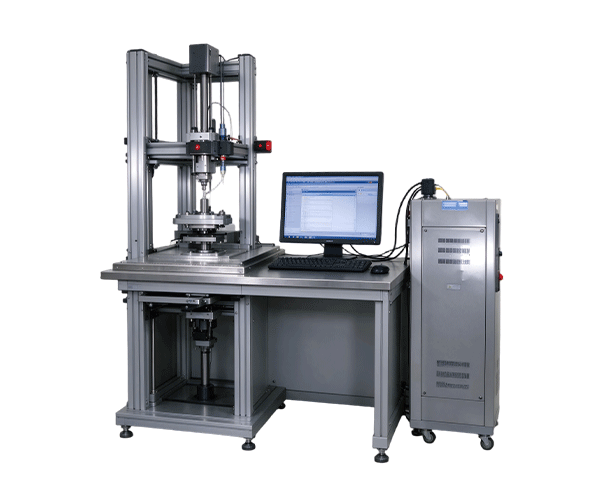
3. Main Components of a Fire Resistance Test Furnace
A Fire Resistance Test Furnace consists of several functional systems. Each system has a specific role in maintaining the testing environment and supporting reliable measurements.
3.1 Furnace Chamber
The furnace chamber provides the enclosed space where the heating process takes place. It is generally constructed with heat-resistant materials and insulation structures designed to withstand repeated high-temperature operation.
The chamber design needs to consider heat distribution, thermal stability, maintenance access, and the dimensions of the test specimen. Different building components may require different furnace openings and supporting arrangements.
For this reason, the furnace chamber is one of the most important design considerations when selecting a Fire Resistance Test Furnace.
3.2 Heating System
The heating system supplies the thermal energy required for the test. Depending on the equipment design and testing requirements, the heating arrangement may use an appropriate fuel-based system or another suitable heating technology.
The heating system needs to respond to the selected temperature-time requirements and maintain stable operation during the test. Its configuration should also consider combustion conditions, heat distribution, operating safety, and exhaust management where applicable.
When evaluating a Fire Resistance Test Furnace, users should confirm that the heating system is suitable for their specimen types and intended test methods.
3.3 Temperature Measurement System
Temperature measurement is essential because the furnace environment must follow the specified heating conditions.
A Fire Resistance Test Furnace normally uses temperature sensors installed at designated positions to monitor furnace temperature. Additional sensors may be placed on or around the specimen when the test method requires measurements of unexposed surface temperatures or other thermal conditions.
Sensor type, installation location, calibration status, and data acquisition settings can all affect measurement quality. The measurement arrangement should therefore follow the applicable test procedure.
3.4 Automatic Control System
The control system manages the heating process and provides operators with information about the furnace operating condition.
Depending on the system configuration, it may support temperature monitoring, heating control, parameter display, alarm functions, and test data recording.
An automatic control system can reduce the need for continuous manual adjustment and help operators maintain consistent test conditions. However, automatic operation does not replace the need for proper specimen preparation, sensor checks, and qualified test procedures.
3.5 Specimen Support and Installation Structure
Building components are not all installed in the same way. A wall panel, floor assembly, fire door, and structural element may require different support arrangements.
The Fire Resistance Test Furnace should provide a suitable specimen installation structure based on the dimensions, weight, orientation, and test requirements of the sample.
Correct installation is important because the mounting method and boundary conditions can influence the specimen's performance during testing. The installation arrangement should accurately represent the conditions required by the relevant test method.
3.6 Exhaust and Safety System
High-temperature testing requires appropriate exhaust arrangements and operating safeguards. A Fire Resistance Test Furnace should be designed with consideration for exhaust gas management, ventilation, temperature protection, emergency operation, and access control.
The specific safety configuration depends on the heating method, furnace structure, laboratory environment, and local requirements. Before installation, users should review the equipment layout and supporting facilities with the equipment supplier.
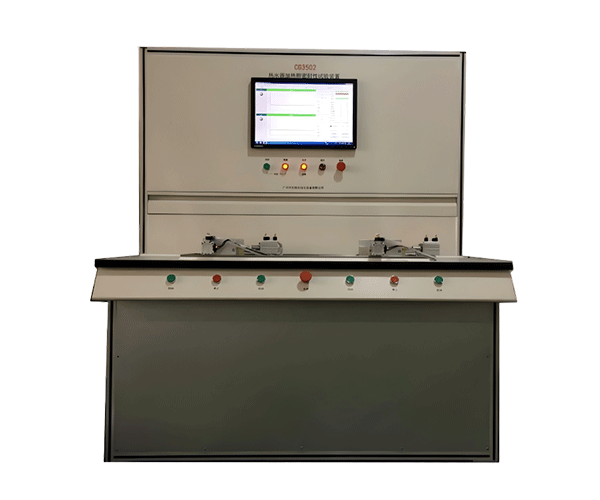
4. What Can a Fire Resistance Test Furnace Evaluate?
A Fire Resistance Test Furnace can support the evaluation of different building components, but the exact performance criteria depend on the test method and product category.
4.1 Structural Stability
Some building components need to maintain their load-bearing function when exposed to high temperatures. During testing, the specimen may be monitored for deformation, cracking, displacement, or other signs of structural failure.
A suitable Fire Resistance Test Furnace provides the heating environment needed to evaluate the component under the defined test conditions. Additional loading and displacement measurement systems may be required for particular structural tests.
4.2 Integrity
Integrity relates to the ability of a building element to prevent flames and hot gases from passing through it under specified test conditions.
For example, doors, walls, and partitions may need to maintain their separation function during fire exposure. The test method defines how integrity is assessed and what observations or measurements are required.
Thermal insulation performance concerns the ability of a component to limit temperature increases on its unexposed side.
During a test, temperature sensors may be positioned on the unexposed surface to record changes over time. A Fire Resistance Test Furnace can provide the heating conditions needed for this evaluation when configured for the relevant test method.
4.4 Deformation and Physical Changes
High temperatures can cause building materials to expand, shrink, crack, bend, or lose mechanical strength. Monitoring these changes can help manufacturers understand how a product behaves under fire exposure.
The required measurement devices depend on the specimen and testing objectives. Some tests may require displacement measurement, visual observation, or additional data acquisition equipment.
It is important to distinguish between Fire Resistance Testing and other fire reaction or combustibility tests. A Fire Resistance Test Furnace is intended for specific fire resistance test arrangements and should not automatically be considered suitable for every type of Fire Performance Evaluation.
5. Applications of Fire Resistance Test Furnace Equipment
Fire resistance testing is used in different areas of the construction and building materials industries. A properly configured Fire Resistance Test Furnace can support testing activities for a range of building components.
5.1 Fire Doors
Fire doors are designed to help maintain compartmentation and restrict fire and smoke spread when installed as part of an appropriate building system.
Testing may involve evaluating the door leaf, frame, hardware, sealing arrangements, and installation details under the required conditions. A Fire Resistance Test Furnace configured for door testing can provide the heating environment needed for this type of evaluation.
5.2 Walls and Partitions
Walls and partition systems are widely used to separate rooms, corridors, and different building areas. Their fire performance can depend on material composition, thickness, joints, framing, insulation, and installation quality.
A Fire Resistance Test Furnace can be used to evaluate representative wall and partition assemblies under controlled thermal exposure.
5.3 Floor and Ceiling Systems
Floor and ceiling assemblies may include multiple layers and different structural materials. Their behavior under fire exposure depends on the overall construction, supporting conditions, and direction of heating.
A suitable furnace arrangement allows the test team to examine the performance of these assemblies according to the applicable procedure.
5.4 Structural Building Components
Certain structural elements require evaluation under high-temperature conditions to understand how their load-bearing performance changes during fire exposure.
Depending on the test requirements, a Fire Resistance Test Furnace may be integrated with loading frames and measurement devices to support more specialized testing arrangements.
5.5 Building Material Manufacturers
Manufacturers of insulation products, boards, panels, doors, and other construction components may use fire resistance testing during product development and quality verification.
Testing results can help identify design weaknesses, compare different material combinations, and support technical documentation. The test results should always be interpreted within the scope of the specific test method used.
6. Fire Resistance Test Furnace and Applicable Testing Standards
Testing standards define the procedures, conditions, measurements, and evaluation criteria used in fire resistance testing. Selecting the correct standard is therefore an important step when purchasing a Fire Resistance Test Furnace.
Different standards cover different product categories and testing purposes. Some describe general principles


Comment
(0)