Understanding FIGRA, THR and SMOGRA in SBI Fire Testing
1. Introduction to Key Indicators in SBI Fire Testing
When evaluating the reaction-to-fire performance of construction products, laboratories need more than visual observations of flame behavior. They also need measurable data that helps explain how quickly a fire develops, how much heat a product releases, and how much smoke it produces under controlled test conditions.
The Single Burning Item (SBI) Test is an important method used to assess the reaction-to-fire performance of applicable construction products. It is associated with EN 13823 and uses a controlled burner to expose a specimen arrangement to a defined fire scenario. During the test, the apparatus collects combustion products and records relevant measurement data.
Three indicators frequently discussed in SBI fire testing are FIGRA, THR, and SMOGRA. These parameters provide different information about a product's fire behavior:
FIGRA (Fire Growth Rate Index): Indicates the rate at which fire-related heat release develops in relation to time.
THR (Total Heat Release): Represents the accumulated heat released during a specified evaluation period.
SMOGRA (Smoke Growth Rate Index): Indicates the rate at which smoke production develops in relation to time.
Although these indicators are connected, they do not measure the same thing. FIGRA focuses on fire growth, THR describes accumulated heat release, and SMOGRA focuses on smoke development.
Understanding FIGRA, THR, and SMOGRA is essential for laboratories, construction product manufacturers, and quality inspection organizations that need to interpret SBI Test results correctly. This article explains what each indicator means, how the measurements are obtained, how the results should be understood, and what laboratories should consider when selecting SBI Testing Equipment.
2. What Is FIGRA in SBI Fire Testing?
FIGRA stands for Fire Growth Rate Index. It is an important parameter used in SBI fire testing to describe the development of heat release over time.
When a construction product is exposed to the SBI burner, its reaction depends on factors such as material composition, surface treatment, thickness, density, internal structure, and installation arrangement. Some products may release heat gradually, while others may show a more rapid increase in heat release.
FIGRA helps describe this development through a calculated relationship between Heat Release Rate and elapsed time. The calculation follows the applicable EN 13823 procedure and uses data collected during the test.
2.1 What Does FIGRA Tell Us?
FIGRA provides information about how quickly a product contributes to fire growth under the specified test conditions.
A higher FIGRA value generally indicates a faster development of heat release relative to time. A lower value generally indicates a slower development under the same evaluation framework.
For manufacturers, this information can help identify differences between product formulations or construction designs. For laboratories, FIGRA provides a quantitative parameter for evaluating fire growth behavior.
However, FIGRA should not be interpreted as a complete description of fire safety. It is one part of a broader reaction-to-fire assessment and must be considered alongside other SBI results and the applicable classification requirements.
2.2 How Is FIGRA Determined?
The SBI Test Apparatus collects data from the exhaust system during specimen exposure. The measurement system uses relevant exhaust flow and gas analysis information to determine heat release behavior.
The resulting heat release rate data is processed according to the calculation procedure specified in the applicable standard. FIGRA is then derived from the relationship between heat release rate and time, using the prescribed evaluation method.
The calculation is not simply a visual estimate of flame size or a direct measurement of flame height. It depends on instrument measurements, data processing, and the required test procedure.
For this reason, a properly configured SBI Test Apparatus needs a suitable exhaust measurement arrangement, gas analysis system, data acquisition function, and calculation software.
2.3 Why Is FIGRA Important?
FIGRA is useful because fire development speed can influence how a product behaves during the early stages of a fire scenario.
When comparing construction products, laboratories may use FIGRA results to understand whether one specimen exhibits a faster heat release development than another under comparable test conditions.
Manufacturers can also use FIGRA data during product development. If a formulation or structural change leads to a different fire growth pattern, the test results may help guide further material evaluation.
It is important to compare results only when the test conditions, specimen preparation, and evaluation methods are appropriately consistent.
3. What Is THR in SBI Fire Testing?
THR stands for Total Heat Release. It describes the accumulated heat released by a specimen over a specified period during the SBI test.
Unlike FIGRA, which focuses on the development of heat release in relation to time, THR describes the total amount of heat released during the defined evaluation period.
THR is an important measurement because two products may have different fire growth patterns but still release different total amounts of heat over the same period.
3.1 How Does THR Work?
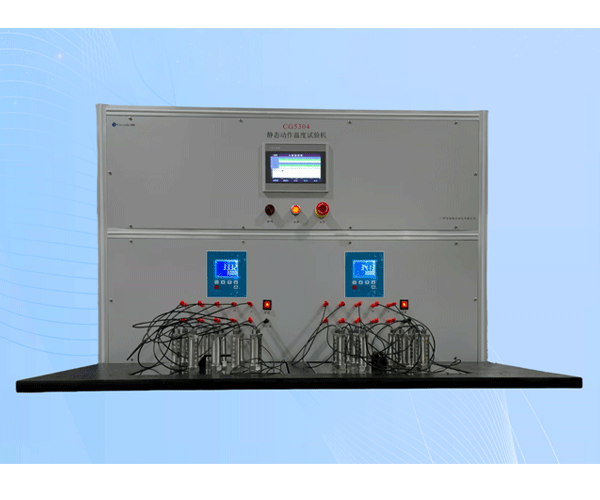
During SBI testing, the specimen is exposed to a controlled burner. If the material burns, the combustion process produces heat and combustion gases.
The SBI Test Apparatus collects exhaust gases and measures the relevant parameters used to determine heat release. The heat release rate data is then integrated over the specified period to obtain total heat release.
The calculation period and reporting requirements should follow the applicable standard and test procedure. Laboratories should avoid comparing THR values taken from different evaluation periods as though they were directly equivalent.
3.2 What Does THR Reveal About a Material?
THR helps indicate the accumulated heat contribution of a product during the defined test period.
A product with a higher THR may release more total heat during that period than a product with a lower THR, assuming comparable test conditions and evaluation methods.
This information is useful when evaluating construction products with different material compositions, thicknesses, surface treatments, or internal structures.
For example, two wall lining products may show similar initial fire growth but different accumulated heat release as the test continues. FIGRA and THR therefore provide complementary information rather than duplicate measurements.
3.3 Why Should Manufacturers Pay Attention to THR?
For construction product manufacturers, THR can provide useful feedback during material development and quality evaluation.
Changes in raw materials, additives, product density, surface coatings, or manufacturing processes may influence combustion behavior. Comparing THR results from appropriately prepared specimens can help manufacturers understand whether a product modification has changed its heat release characteristics.
However, a single THR result cannot explain every aspect of fire performance. It should be reviewed alongside FIGRA, smoke-related indicators, observations during testing, and other applicable requirements.
4. What Is SMOGRA in SBI Fire Testing?
SMOGRA stands for Smoke Growth Rate Index. It is an indicator used in SBI testing to describe the development of smoke production over time.
Smoke is an important consideration in fire scenarios because it can affect visibility and may contain harmful combustion products. Different construction materials can produce very different amounts of smoke when exposed to heat and flame.
SMOGRA provides a calculated measure of smoke production development. It helps laboratories understand how quickly smoke production increases during the test.
4.1 How Is SMOGRA Measured?
During the SBI test, combustion products are collected through the exhaust system. The smoke measurement arrangement evaluates changes in the optical characteristics of the exhaust stream.
The equipment uses the prescribed measurement method to obtain smoke-related data. The recorded data is then processed according to the applicable calculation procedure to determine the smoke growth rate index.
A suitable SBI Testing Equipment configuration should therefore include an appropriate smoke measurement system, exhaust arrangement, data acquisition function, and software capable of processing the required parameters.
4.2 What Does a Higher SMOGRA Value Mean?
A higher SMOGRA value generally indicates faster smoke production development under the defined test conditions.
A lower value generally indicates slower smoke growth during the evaluation.
This distinction is important because smoke production does not always develop in the same way as heat release. A material may release heat relatively quickly but produce a different smoke pattern from another material. Another product may show moderate heat release while generating considerable smoke.
For this reason, SMOGRA should be considered alongside FIGRA and THR rather than used as a substitute for them.
4.3 Why Is SMOGRA Important for Construction Products?
Smoke-related performance is an important part of understanding how construction products behave during fire exposure.
For wall panels, ceiling products, insulation materials, and other applicable construction products, smoke production data can provide additional information about the material's reaction to fire.
Manufacturers may use SMOGRA results to compare product formulations or investigate the effects of coatings, additives, and structural changes.
Nevertheless, SMOGRA does not directly identify the toxicity of smoke. It is a smoke growth indicator, not a complete chemical analysis of combustion gases. Smoke quantity, smoke development rate, and smoke toxicity are different assessment topics.
5. FIGRA, THR and SMOGRA: Understanding the Differences
FIGRA, THR, and SMOGRA are all relevant to SBI fire testing, but each describes a different aspect of fire behavior.
| Indicator | Full Name | Main Measurement Focus | What It Helps Explain |
|---|
| FIGRA | Fire Growth Rate Index | Heat release development over time | How quickly heat release develops |
| THR | Total Heat Release | Accumulated heat release | How much heat is released during the specified period |
| SMOGRA | Smoke Growth Rate Index | Smoke production development over time | How quickly smoke production develops |
5.1 FIGRA vs. THR
The main difference between FIGRA and THR is the type of information they provide.
FIGRA focuses on the development of heat release in relation to time. THR focuses on the accumulated heat released over a defined period.
A specimen may show a relatively rapid increase in heat release but a different total heat release pattern from another specimen. Looking at both parameters provides a more complete understanding of the heat-related behavior observed during SBI testing.
5.2 FIGRA vs. SMOGRA
FIGRA is associated with heat release development, while SMOGRA is associated with smoke production development.
These two indicators are useful together because heat release and smoke production do not necessarily increase at the same rate.
The relationship between them may vary according to the material composition, combustion behavior, and specimen characteristics.
5.3 THR vs. SMOGRA
THR represents accumulated heat release, whereas SMOGRA describes the development of smoke production.
A material that releases more total heat does not automatically have a proportionally higher smoke growth rate. Both parameters need to be evaluated independently according to their respective measurement and calculation procedures.
6. How the SBI Test Apparatus Collects the Required Data
Accurate FIGRA, THR, and SMOGRA evaluation depends on the performance of the complete SBI testing system.
A typical Single Burning Item Test Apparatus includes several main components that work together throughout the test.
6.1 Specimen Mounting System
The specimen mounting frame holds the test specimens in the required arrangement.
Correct specimen preparation and installation are essential because differences in mounting, dimensions, joints, and surface conditions can influence the observed test behavior.
6.2 Burner System
The burner provides controlled heat exposure during the test.
Its configuration, gas supply, positioning, and operating controls should be appropriate for the required test method. Stable burner operation is important for maintaining the prescribed test conditions.
6.3 Exhaust Collection System
The exhaust hood and duct collect combustion products and direct them through the measurement arrangement.
The exhaust system is essential for collecting the data used in heat release and smoke production evaluation.
6.4 Gas Analysis System
Gas analyzers measure relevant components in the exhaust stream. Together with the appropriate exhaust measurement data, these measurements support the determination of heat release rate.
The resulting data is used in the calculation of FIGRA and THR according to the applicable procedure.
6.5 Smoke Measurement System
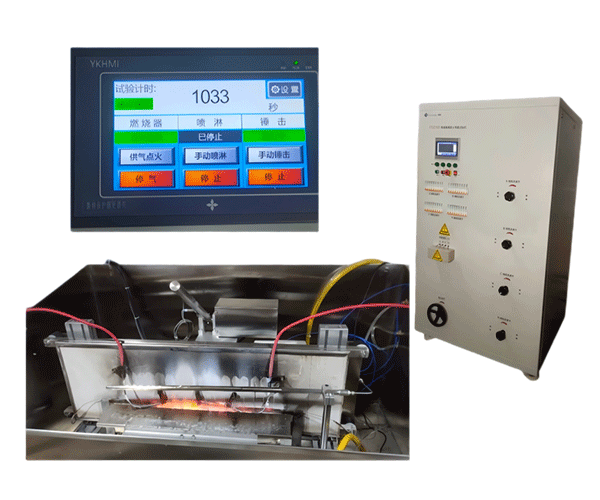
The smoke measurement system monitors optical changes in the exhaust stream. The recorded information supports the calculation of smoke-related indicators, including SMOGRA and other required parameters.
6.6 Data Acquisition Software
The data acquisition system collects signals from the measurement instruments and supports data processing.
For laboratories, software functions should include suitable real-time monitoring, data recording, calculation, storage, and reporting. The specific functions should be confirmed against the test requirements.
7. Factors That Can Influence SBI Test Results
FIGRA, THR, and SMOGRA results can be affected by several factors. Laboratories should control these factors as far as required by the test method.
Material composition: Different raw materials and additives can affect ignition, combustion, heat release, and smoke production.
Specimen thickness and density: Physical characteristics may influence how heat moves through a specimen and how the material responds during exposure.
Surface treatment: Coatings, laminations, decorative layers, and other surface treatments may change the way a product behaves under fire exposure.
Specimen preparation: Dimensions, joints, fixing arrangements, and conditioning procedures should follow the applicable test requirements.
Burner operation: The burner must operate under the prescribed conditions. Incorrect setup or unstable operation can affect the test.
Measurement system condition: Gas analyzers, smoke measurement components, exhaust arrangements, and sensors need appropriate inspection and maintenance.
Data processing: The calculation procedure, evaluation period, and software configuration should be consistent with the applicable standard.
When comparing products, laboratories should make sure that differences in results are not caused by inconsistent specimen preparation or measurement conditions.
8. How to Interpret FIGRA, THR and SMOGRA Results
Interpreting SBI test results requires more than identifying whether an individual value is high or low.
First, laboratories should confirm that the test was performed according to the applicable method. Specimen preparation, equipment configuration, measurement conditions, and data processing all need to be considered.
Second, the three indicators should be reviewed together.
For example, FIGRA may provide information about the speed of heat release development, while THR shows the accumulated heat released during the specified period. SMOGRA adds information about the development of smoke production.
Third, laboratories should review the applicable classification criteria and product requirements. SBI indicators may contribute to a reaction-to-fire classification, but classification depends on the relevant standard, product category, and required assessment criteria. A single indicator should not be treated as a complete classification result.
Finally, test results should be reported clearly. Reports should identify the tested product, specimen details, test conditions, relevant measurement data, and the evaluation method used.
9. Why Choosing Suitable SBI Testing Equipment Matters
The quality of FIGRA, THR, and SMOGRA data depends partly on the configuration and condition of the testing equipment.
When selecting a Single Burning Item Test Apparatus, laboratories should evaluate the following:
Whether the equipment is configured for the required EN 13823 test method.
Whether the burner system meets the applicable test requirements.
Whether the exhaust system supports the required measurements.
Whether gas analysis instruments are suitable for heat release evaluation.
Whether the smoke measurement system supports the required smoke parameters.
Whether the software can collect and process the necessary data.
Whether calibration, maintenance, and technical documentation are available.
Whether the laboratory has suitable space, ventilation, gas supply, and electrical facilities.
A complete SBI Testing Equipment solution should be considered as an integrated system. The burner, exhaust collection, gas analysis, smoke measurement, and software need to work together to support the required testing process.
Laboratories should also ask suppliers to explain the equipment configuration and provide relevant technical documentation before purchasing.
10. Frequently Asked Questions About FIGRA, THR and SMOGRA
What does FIGRA mean in SBI testing?
FIGRA means Fire Growth Rate Index. It is a calculated indicator used to describe the development of heat release in relation to time during the SBI test.
What does THR mean in fire testing?
THR means Total Heat Release. It represents the accumulated heat released by the specimen during a specified evaluation period.
What does SMOGRA mean in SBI testing?
SMOGRA means Smoke Growth Rate Index. It describes the development of smoke production over time under the SBI test conditions.
Are FIGRA, THR and SMOGRA measured directly?
The SBI test apparatus collects the underlying measurement data, including relevant exhaust gas and smoke information. FIGRA, THR, and SMOGRA are determined through the calculation procedures specified in the applicable test method.
Does a high FIGRA value always mean poor fire performance?
A higher FIGRA generally indicates faster heat release development under the defined test conditions. However, overall fire performance must be assessed using the applicable classification criteria and other relevant test results.
Does SMOGRA measure smoke toxicity?
No. SMOGRA describes smoke production growth. It does not directly measure the toxicity or chemical composition of smoke.
Can FIGRA, THR and SMOGRA be used to compare different materials?
They can help compare materials when the tests are conducted under appropriately consistent conditions and the same applicable evaluation method. Differences in specimen preparation, product configuration, and test conditions should be considered.
11. Conclusion
FIGRA, THR, and SMOGRA are three important indicators in SBI fire testing. Each provides different information about the reaction-to-fire behavior of construction products.
FIGRA describes the development of heat release in relation to time. THR represents accumulated heat release over a specified period. SMOGRA describes the development of smoke production. Together, these indicators help laboratories understand fire growth, heat contribution, and smoke behavior during the Single Burning Item test.
Reliable results depend on proper specimen preparation, controlled burner operation, suitable exhaust collection, accurate measurement instruments, and appropriate data processing. Choosing suitable SBI Testing Equipment is therefore an important step for laboratories that need to conduct consistent EN 13823 testing.
By understanding the meaning and limitations of FIGRA, THR, and SMOGRA, manufacturers and testing laboratories can interpret SBI test results more effectively, support product development, and make better-informed decisions about construction product fire performance.


Comment
(0)