EN ISO 9239-1 Testing: How to Evaluate the Fire Performance of Floor Coverings
1. Introduction
Floor coverings are widely used in residential buildings, commercial properties, public facilities, hotels, offices, and transportation environments. Different flooring materials can show different reactions when exposed to heat and flame. Their surface structure, backing materials, thickness, composition, and installation conditions may all influence their fire behaviour.
For manufacturers, laboratories, and quality control departments, evaluating the fire performance of floor coverings is an important part of product development and material assessment. EN ISO 9239-1 Testing provides a standardized method for evaluating the reaction-to-fire performance of applicable floor covering products under controlled radiant heat exposure.
Unlike a general flame exposure test, EN ISO 9239-1 Testing uses a specific radiant panel arrangement to expose a horizontally positioned specimen to a defined thermal environment. The test helps determine how flame spreads across the flooring surface and establishes the critical radiant flux associated with the observed flame propagation.
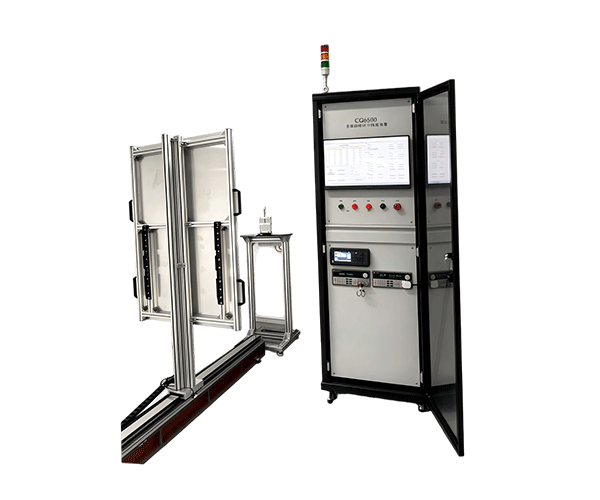
A properly configured Flooring Radiant Panel Test Apparatus is essential for carrying out this evaluation. It provides the heating arrangement, specimen support, ignition system, measurement components, and exhaust configuration needed for the testing procedure.
Understanding EN ISO 9239-1 Testing is useful not only for laboratories conducting standardized tests but also for flooring manufacturers who need to compare material formulations, assess product performance, and improve quality control procedures.
2. What Is EN ISO 9239-1 Testing?
EN ISO 9239-1 Testing is a standardized method used to evaluate the reaction-to-fire performance of applicable floor coverings when exposed to a radiant heat source.
During the test, a flooring specimen is placed horizontally in a test chamber beneath an inclined radiant panel. The radiant panel creates a controlled heat exposure along the length of the specimen. A pilot burner is used to ignite the specimen according to the specified procedure.
After ignition, the flame spreads across the flooring surface under the influence of the radiant heat environment. The distance and time associated with flame propagation are observed and recorded. These observations are used to determine the critical radiant flux in accordance with the test method.
The main purpose of EN ISO 9239-1 Testing is to provide information about the burning behaviour of floor coverings under specified conditions. The results can support product evaluation, material comparison, and applicable reaction-to-fire classification processes.
It is important to understand that EN ISO 9239-1 is a reaction-to-fire test method, not a Fire Resistance Test. It does not determine how long a wall, floor structure, or building assembly can maintain its integrity during a fire.
The test method is intended for floor covering products within its scope. Laboratories should always check the current standard edition and confirm whether the material being evaluated is suitable for this test.
Floor coverings are installed across large surface areas in many buildings. During a fire, the behaviour of these materials may influence flame propagation along the floor surface and contribute to the overall fire development in an enclosed space.
Different flooring products may respond differently to the same heat exposure. A carpet with a particular backing structure may behave differently from a resilient flooring product or a textile-based material. Even products with similar appearances may have different fire performance because of differences in composition and manufacturing processes.
EN ISO 9239-1 Testing helps manufacturers and laboratories evaluate these differences under controlled conditions.
Supporting product development
During material development, manufacturers may adjust raw materials, backing layers, coatings, surface treatments, or production processes. EN ISO 9239-1 Testing can provide useful comparative information about how these changes influence flooring fire performance.
Supporting quality control
Regular testing can help manufacturers monitor product consistency. If different production batches show unexpected changes in flame propagation behaviour, the test results may provide a starting point for further investigation.
Supporting technical evaluation
Laboratories can use the results to evaluate applicable flooring products against specified technical requirements. The measured data can support product documentation and relevant conformity assessment activities.
Improving material understanding
Testing helps manufacturers understand how material construction and surface characteristics influence burning behaviour. This information can be useful when selecting materials for different applications.
For these reasons, EN ISO 9239-1 Testing is an important tool for flooring Fire Performance Evaluation.
4. Working Principle of EN ISO 9239-1 Testing
The working principle of EN ISO 9239-1 Testing is based on exposing a horizontal flooring specimen to a controlled radiant heat environment and observing flame propagation.
The test apparatus generally includes a radiant panel, specimen holder, test chamber, pilot burner, exhaust system, and relevant measurement components.
The radiant panel is installed at an angle above the specimen. This arrangement creates a radiant heat exposure that varies along the specimen. The flooring sample is positioned in the specified location, and the test is initiated using the prescribed ignition procedure.
Once the specimen is ignited, the flame may spread along the surface. The operator observes the flame front and records its progress according to the test method.
The radiant heat level at the position where sustained flame propagation ceases is used to determine the critical radiant flux. This value is an important result of the test.
A Flooring Radiant Panel Test Apparatus must therefore provide a suitable radiant heating arrangement and support the measurement and observation procedures required by the standard.
The reliability of EN ISO 9239-1 Testing depends on more than the radiant panel alone. Specimen preparation, equipment condition, calibration or verification, ignition procedure, and test environment also need to be controlled.
A suitable test apparatus should have a coordinated system of components designed for the intended test method.
5.1 Radiant Panel
The radiant panel provides the heat exposure required during EN ISO 9239-1 Testing. Its installation angle, heating performance, and operating stability are important considerations.
The panel should be designed to establish the required radiant heat conditions. The laboratory should also be able to carry out the relevant heat flux verification procedures in accordance with the standard.
5.2 Specimen Holder
The specimen holder supports the flooring sample in the required horizontal position. It should allow the specimen to be installed consistently and remain properly supported during testing.
The holder must be compatible with the specimen dimensions and preparation requirements specified by the test method.
5.3 Pilot Burner
The pilot burner provides the ignition source used during the test. Its arrangement and operation should follow the specified procedure.
The ignition system should be designed for controlled operation and should be installed with appropriate gas connections and safety measures.
5.4 Test Chamber
The test chamber provides the environment in which the specimen is exposed to radiant heat and flame. Its internal arrangement should support the intended test conditions and allow the required observations.
5.5 Exhaust System
The exhaust system removes combustion products from the test area. Its configuration should be suitable for the equipment and laboratory installation conditions.
Where smoke measurement is included, the relevant measurement components should be configured according to the applicable testing requirements.
5.6 Control and Measurement System
The control system helps operators manage equipment functions and monitor operating conditions. Depending on the equipment configuration, it may also support data recording and result management.
When purchasing EN ISO 9239-1 Testing equipment, laboratories should review the complete system rather than evaluating each component separately.
6. Specimen Preparation Before Testing
Specimen preparation is an important part of EN ISO 9239-1 Testing. Poorly prepared samples may affect the test process and make results difficult to compare.
Before testing, the laboratory should identify the flooring product, material construction, thickness, backing arrangement, and any surface treatments that may be relevant to the test procedure.
The specimen dimensions and preparation method should follow the requirements of the applicable standard. The sample should be representative of the product being evaluated.
Several factors should be considered.
Sample identification
Each specimen should have a clear identification record. Product type, batch information, material construction, and preparation details can help the laboratory trace the test results.
Conditioning
Specimens should be conditioned according to the requirements of the applicable test method. This helps control the influence of environmental conditions on the material before testing.
Surface inspection
The sample should be checked for visible damage, contamination, or irregularities that could affect the test. The laboratory should follow the standard when deciding whether a specimen is acceptable.
Backing and installation
Floor coverings may contain multiple layers or backing materials. The specimen should be prepared and installed in the arrangement required by the test procedure.
Consistent specimen preparation is essential for obtaining meaningful EN ISO 9239-1 Testing results.
7. Main Testing Procedure
The detailed procedure should always follow the current edition of the applicable standard and the equipment operating instructions. The general process can be understood through the following stages.
Step 1: Check the Equipment
Before starting EN ISO 9239-1 Testing, operators should inspect the radiant panel, specimen holder, pilot burner, exhaust system, control components, and relevant measurement devices.
The equipment should be in suitable operating condition, and the required verification checks should be completed.
Step 2: Prepare the Specimen
Prepare the flooring specimen according to the specified dimensions and conditioning requirements. Record the sample information and check that the specimen is suitable for installation.
Step 3: Install the Specimen
Place the specimen in the holder in the required position. Confirm that the sample is properly supported and that the arrangement matches the test method.
Step 4: Establish the Test Conditions
Operate the radiant panel and allow the equipment to reach the conditions required by the test procedure. The relevant operating parameters should be checked before ignition.
Step 5: Apply the Ignition Source
Use the pilot burner according to the specified ignition procedure. Operators should follow the required timing and safety instructions.
Step 6: Observe Flame Propagation
After ignition, observe the flame front as it moves across the specimen. Record the required observations and relevant time or distance information.
Step 7: Determine the Critical Radiant Flux
Use the test observations and the radiant heat information to determine the critical radiant flux in accordance with EN ISO 9239-1.
Step 8: Complete the Test Record
Record the sample details, test conditions, observations, measured results, and any relevant deviations. The report should follow the laboratory's documentation procedures.
Following a consistent procedure helps improve the repeatability and traceability of EN ISO 9239-1 Testing.
8. Understanding Critical Radiant Flux
Critical radiant flux is one of the key parameters associated with EN ISO 9239-1 Testing.
It represents the radiant heat flux at the position where the flame ceases to propagate under the specified test conditions. The result provides information about the ability of a floor covering to support flame spread when exposed to the radiant heat environment.
In general, critical radiant flux is expressed in kilowatts per square metre (kW/m²).
The result can help compare the fire performance of applicable flooring materials. However, it should always be interpreted in the context of the test method, specimen preparation, and applicable classification requirements.
A higher critical radiant flux result generally indicates that a greater level of radiant heat exposure is associated with the limit of sustained flame propagation in the test arrangement. It should not be treated as a direct prediction of how a flooring product will behave in every real fire scenario.
Reliable EN ISO 9239-1 Testing requires the radiant heat conditions and flame propagation observations to be properly controlled and recorded.
9. Smoke Measurement and Result Evaluation
Smoke production may also be considered in flooring fire performance evaluation, depending on the test requirements and equipment configuration.
During combustion, flooring materials may produce smoke and other combustion products. The amount of smoke generated can be relevant to fire safety assessment, but smoke production and smoke toxicity are different properties.
An optical smoke measurement arrangement may be included in some testing configurations. Its purpose and measurement procedure should be clearly identified before equipment purchase.
When reviewing EN ISO 9239-1 Testing results, laboratories should distinguish between directly measured parameters and additional observations. They should not assume that every apparatus includes smoke measurement or that smoke production data automatically provides information about toxicity.
A complete test report should identify the method used, specimen information, test conditions, measured values, observations, and any relevant limitations.
The interpretation of results should be based on the applicable standard and classification requirements rather than on isolated values.
10. Factors That Can Affect Test Results
Several factors may influence the results of EN ISO 9239-1 Testing. Controlling these factors is important for reliable laboratory evaluation.
Material composition
Different polymers, fibres, fillers, coatings, and backing materials can influence how a flooring product responds to radiant heat.
Product construction
The thickness, number of layers, surface structure, and backing arrangement may affect flame propagation.
Specimen conditioning
Environmental conditions before testing can influence material properties. Specimens should therefore be conditioned according to the relevant procedure.
Radiant heat conditions
The radiant heat environment must be established and verified as required by the standard. Incorrect conditions may affect the test outcome.
Ignition procedure
The ignition source and its operating procedure should be controlled to ensure that the test is conducted consistently.
Equipment maintenance
Contamination, worn components, or problems with the heating and measurement systems may influence equipment performance.
Operator practice
Operators should be trained to prepare specimens, operate the apparatus, observe flame propagation, and record results consistently.
By controlling these factors, laboratories can improve the reliability and comparability of EN ISO 9239-1 Testing.
11. How to Select Suitable EN ISO 9239-1 Testing Equipment
Selecting suitable equipment requires a review of both technical requirements and practical laboratory conditions.
First, confirm that the proposed Flooring Radiant Panel Test Apparatus is designed for the intended test method. A general-purpose fire testing machine should not automatically be regarded as suitable for EN ISO 9239-1 Testing.
Next, review the equipment configuration.
Important selection factors include:
Radiant panel design and heating arrangement.
Specimen holder dimensions and installation method.
Pilot burner and gas supply configuration.
Heat flux verification arrangements.
Flame observation and measurement functions.
Exhaust and ventilation requirements.
Control interface and data recording functions.
Equipment maintenance and calibration support.
Installation space and utility requirements.
Operating instructions and technical documentation.
Laboratories should also consider the types of flooring materials they expect to test and their anticipated testing frequency.
Before confirming an order, buyers should request a detailed technical configuration and clarify which functions are included in the quoted equipment. This helps prevent misunderstandings about accessories, measurement devices, and installation requirements.
12. Maintenance and Laboratory Management
Routine maintenance is necessary to keep EN ISO 9239-1 Testing equipment in suitable operating condition.
The radiant panel should be inspected according to the equipment instructions. Operators should check the heating system and complete the required verification activities.
The pilot burner and gas connections should be inspected regularly. Any abnormal condition should be addressed before further testing.
The specimen holder and internal test chamber should be kept clean. Residues from previous tests should be removed using appropriate procedures.
Measurement devices should be checked and maintained according to their requirements. Where applicable, calibration and verification records should be retained.
The exhaust system should also be inspected to ensure that it remains suitable for laboratory operation.
A documented maintenance plan helps laboratories organize inspections, identify equipment issues, and maintain consistent testing practices.
13. Applications of EN ISO 9239-1 Testing
EN ISO 9239-1 Testing is relevant to the evaluation of applicable Floor Covering Materials used in different environments.
Typical materials may include carpets and textile floor coverings, as well as other flooring products that fall within the scope of the test method.
Carpet manufacturing
Carpet manufacturers can use the test method to evaluate product fire performance and compare different material constructions.
Textile flooring development
Manufacturers developing textile-based flooring products can use testing results to understand how fibres, backing materials, and surface treatments influence flame propagation.
Building material laboratories
Independent and in-house laboratories can use a Flooring Radiant Panel Test Apparatus to conduct standardized evaluations and maintain technical records.
Product quality control
Testing can support routine quality management by providing information about the fire performance of selected products or production batches.
The suitability of EN ISO 9239-1 Testing should always be confirmed for the specific flooring product and intended assessment.
14. Customized Flooring Fire Testing Equipment
Different laboratories may have different requirements for equipment configuration, installation, measurement, and data management. A customized testing solution may be useful when specific laboratory conditions or workflow requirements need to be considered.
When discussing a customized Flooring Radiant Panel Test Apparatus, buyers should provide details about the intended standard, sample types, laboratory space, utility connections, exhaust requirements, and additional measurement functions.
As a testing equipment manufacturer, Guangzhou Chuangge Automation Equipment Co., Ltd. focuses on the development and production of customized testing equipment for industrial applications. Its product and technical scope covers building materials and components, fire-related products, wires and cables, plastics, textiles, electrical products, and household appliances.
The company operates under ISO 9001, ISO 14001, and ISO 45001 management systems and has developed more than 20 patents, including invention, utility model, and software-related patents.
For customers planning to purchase EN ISO 9239-1 Testing equipment, technical communication before production helps clarify the required configuration. The test standard, specimen arrangement, measurement functions, and laboratory installation conditions should all be reviewed before manufacturing begins.
A suitable equipment solution should be based on the confirmed testing requirements rather than unnecessary additional functions.
15. Frequently Asked Questions
Q1: What is the main purpose of EN ISO 9239-1 Testing?
EN ISO 9239-1 Testing evaluates the reaction-to-fire performance of applicable floor coverings under controlled radiant heat exposure. It provides information about flame propagation and critical radiant flux.
Q2: What equipment is used for EN ISO 9239-1 Testing?
The test generally uses a Flooring Radiant Panel Test Apparatus with a radiant panel, specimen holder, pilot burner, test chamber, exhaust arrangement, and relevant measurement components.
Q3: What is critical radiant flux?
Critical radiant flux is the radiant heat flux associated with the position where flame propagation ceases under the specified test conditions. It is an important measurement in the evaluation of floor covering fire performance.
Q4: Can EN ISO 9239-1 Testing be used for all flooring materials?
No. The test method has a defined scope. Laboratories should check the current standard and confirm whether the specific flooring material is applicable.
Q5: Does EN ISO 9239-1 measure smoke toxicity?
No. Smoke Production Measurement and smoke toxicity assessment are different evaluations. EN ISO 9239-1 results should not be interpreted as a direct measurement of smoke toxicity.
Q6: What should buyers check before purchasing the equipment?
Buyers should review the applicable test standard, radiant panel, specimen holder, ignition system, measurement functions, exhaust arrangement, control system, maintenance requirements, and technical support.
16. Conclusion
EN ISO 9239-1 Testing provides a standardized approach to evaluating the reaction-to-fire performance of applicable floor covering materials. By exposing a flooring specimen to a controlled radiant heat environment, the method helps laboratories observe flame propagation and determine critical radiant flux.
For reliable testing, the apparatus must provide a suitable radiant heating arrangement, specimen support, ignition system, measurement components, and exhaust configuration. Specimen preparation, equipment verification, operator training, and routine maintenance are equally important.
When selecting EN ISO 9239-1 Testing equipment, laboratories should confirm the test method, material scope, measurement requirements, and installation conditions before making a purchasing decision.
A properly configured Flooring Radiant Panel Test Apparatus helps manufacturers and laboratories conduct consistent evaluations, understand flooring fire performance, and support product development and quality control.


Comment
(0)